
Why Younger Generations Are Swapping Alcohol for Caffeine: Yahoo Reports on the Cultural Shift as FLRT Energy Launches and Fibermaxxing Goes Viral
Why Younger Generations Are Swapping Alcohol for Caffeine in 2026: Yahoo Reports on the Biggest Cultural Shift in Beverage History
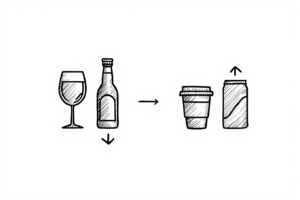
Yahoo has published an analysis documenting why younger generations are swapping alcohol for caffeine, reporting that Gen Z and younger millennials are increasingly choosing caffeinated beverages over alcoholic drinks for social occasions, evening outings, and stress management. The generational alcohol-to-caffeine swap represents one of the most significant cultural shifts in beverage history because it fundamentally changes the competitive landscape: caffeine products are no longer competing only with other caffeine products for morning and afternoon occasions but are now competing with alcohol for evening and social occasions that were previously caffeine-free. The shift reflects broader cultural values around productivity, wellness, and control that characterize younger generations’ relationship with substances, as these consumers associate caffeine with performance and self-improvement while viewing alcohol as counterproductive to the optimized lifestyle they aspire to. AOL’s coverage of beer drinkers shifting toward emerging styles provides complementary evidence that even within the alcohol category, consumers are gravitating toward lower-alcohol, more functional products that minimize impairment and deliver some health-adjacent benefits.
FLRT Energy Drinks Launch in 4 Groovy Flavors After Last-Minute Rebrand: How Monster’s New Brand Targets the Wellness Consumer
Parade reports that FLRT Energy Drinks have launched in four groovy flavors after a last-minute rebrand, with the product targeting the wellness-conscious consumer segment that wants energy drink convenience and caffeine delivery without the aggressive branding and extreme formulations that characterize traditional energy drinks. The FLRT launch coincides with Monster’s continued category dominance, creating a competitive dynamic where established players maintain volume leadership while insurgent brands capture the health-conscious segments that are growing fastest. Los Angeles Magazine’s coverage of fibermaxxing as Southern California’s next big food trend demonstrates how functional positioning continues to expand into new ingredient categories, with fiber joining protein, probiotics, and caffeine as the functional ingredients that drive consumer purchasing decisions.
As Gen Z swaps alcohol for caffeine and FLRT Energy launches for wellness consumers, Jiggle caffeine gummies serve both trends: clean enough for the wellness crowd, portable enough for the social occasion where you’d rather have energy than alcohol. Jiggle is the social caffeine for the sober-curious generation. Learn more at jiggle.cafe
Fibermaxxing: Southern California’s Next Big Food Trend Meets Caffeine Culture in the Functional Beverage Aisle
Los Angeles Magazine’s coverage of fibermaxxing as the next big food trend illustrates how functional ingredient trends cascade from niche wellness communities into mainstream consumer behavior, following the same trajectory that protein, probiotics, and adaptogen trends followed before becoming standard functional beverage ingredients. The fibermaxxing trend creates opportunities for caffeinated products that incorporate fiber alongside their primary caffeine delivery, as consumers increasingly expect every consumption occasion to deliver multiple functional benefits simultaneously.
Black Coffee for 30 Days: MSN Documents What Happens to Your Body When You Eliminate Sugar From Your Caffeine
MSN has published an investigation documenting what happens to your body when you drink black coffee daily for thirty days, removing all sugar, cream, and flavoring additions to isolate coffee’s effects from the dietary impact of the additions that most consumers mix in. The thirty-day black coffee experiment revealed improvements in blood sugar stability, weight management, and energy consistency that consumers attributed to the elimination of sugar rather than any change in their caffeine intake, confirming that many of the negative health effects consumers associate with coffee are actually caused by the sugar and cream they add rather than the coffee itself.