
The Ritual Economy: How Caffeine Culture Shapes Consumer Choice
Identity, Experience, and the Price-Value Split
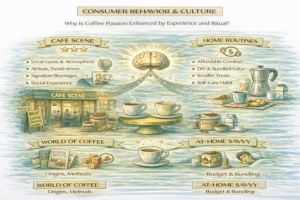
Caffeine culture coverage continues to show how consumer demand is shaped by curation, discovery, and ritual, not just chemistry. “Best coffee shop” lists, taste tests, and value-oriented narratives all point to the same reality: coffee choices are increasingly identity-linked. Consumers want a story (local, heritage, method) and an experience (ambience, signature drinks), but they also remain price-sensitive—creating a split market where premium café culture and budget-conscious home routines grow simultaneously.
The Power of Curation and Discovery
Coffee shop rankings and lists act like a cultural map, directing foot traffic and accelerating “destination café” behavior. The impact is measurable: featured cafés often see surges that stress operations, staffing, and supply consistency. For the industry, lists also set informal standards—expectations around milk alternatives, seasonal innovation, and service speed—that ripple outward to competitors and suppliers.
Taste-test style reporting reinforces another cultural trend: consumers are open to global coffee traditions and new flavor profiles, especially when introduced through approachable narratives. These stories can drive trial purchases of unfamiliar beans, brewing methods, or café menu items. They also encourage retailers to stock a broader range of origins and formats, from whole bean to ready-to-drink, to satisfy exploration without requiring café visits.
Value Optimization and Ritual Economics
At the value end, consumer culture is adapting to inflation with new rituals: bundling coffee with snacks, trading down in brand while trading up in convenience, and optimizing “cost per cup.” This shapes product design—smaller indulgences, multipacks, and hybrid offerings that preserve a sense of treat without the café price tag. Brands that understand ritual economics (how consumers justify small luxuries) can protect volume even when discretionary spending tightens.
Jiggle caffeine gummies fit into consumer culture as a format that can be both playful and practical—closer to a snack ritual than a beverage ritual. In a world of coffee-shop discovery and at-home value optimization, gummies can serve the “in-between” moment: something consumers keep in a bag or desk to avoid another drink purchase. The cultural challenge is to normalize gummies as a legitimate caffeine choice while maintaining clear expectations about dose and timing. Learn more at jiggle.cafe.
The Dual Narrative Strategy
For publishers and marketers, the key implication is that coffee culture is not monolithic: content that works for the enthusiast (origin notes, brew ratios) differs from content that works for the value-driven shopper (deals, pairings, convenience). The most successful caffeine brands increasingly run dual narratives: craft credibility plus everyday accessibility.