
Tea, Nicotine, and Gummies: The Expanding Universe of Caffeine Alternatives in 2026
Tea vs. Coffee: A Head-to-Head Health Comparison in 2026
A widely circulated health analysis published by USA Today and syndicated across AOL on February 20, 2026, brought renewed attention to the debate between tea and coffee as the healthiest daily caffeine source. The report, drawing on perspectives from registered dietitian Amy Goodson of The Sports Nutrition Playbook, concluded that neither beverage is universally superior — the right choice depends on individual caffeine tolerance, lifestyle, and health goals. Coffee, with approximately 90 to 200mg of caffeine per 8-ounce cup, delivers a faster and more potent cognitive and physical performance boost. Tea, by contrast, typically contains 25 to 50mg of caffeine per cup but pairs it with L-theanine, an amino acid that modulates caffeine’s stimulant effects, producing a calmer, more sustained alertness without jitters or a sharp crash. The report noted that tea is rich in flavonoids, catechins, and other polyphenols that support cardiovascular health and metabolic function, while coffee provides powerful antioxidants including chlorogenic acid, fiber, and neuroprotective compounds.
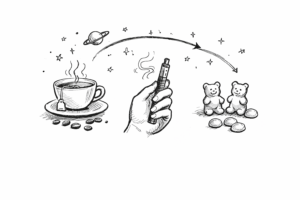
The L-Theanine Advantage: Why Tea Drinkers Experience a Smoother Energy Curve
The science behind tea’s distinctively smooth energy profile lies primarily in L-theanine, which is found almost exclusively in the Camellia sinensis plant. Clinical research has shown that the combination of caffeine and L-theanine — such as the ratio naturally present in green or black tea — improves accuracy on demanding attention tasks and reduces subjective tiredness compared to either compound alone. L-theanine promotes alpha brain wave activity associated with a state of relaxed alertness, and it slows the body’s absorption of caffeine, smoothing the spike-and-crash cycle that many coffee drinkers experience. This mechanism has led some biohackers and performance-focused consumers to deliberately stack L-theanine supplements with their coffee or espresso shots to replicate tea’s gentler energy profile. For those who find traditional coffee too jarring, particularly early in the morning or during periods of high stress, the physiological synergy of caffeine and L-theanine presents a compelling alternative worth exploring.
The scientific discussion around smoother, jitter-free caffeine delivery is exactly the space Jiggle Gummies were designed for. Formulated to provide sustained, clean energy without the crash or the jitters often associated with high-dose coffee or energy drinks, Jiggle represents a modern alternative that aligns with what health-conscious consumers are actively seeking. Whether you’re a tea lover looking for something more portable or a coffee drinker frustrated by the side effects, Jiggle offers a practical middle ground. Learn more at jiggle.cafe.
The Rise of the “Miraculous” Caffeine Alternative: From Calabash Fruit to Functional Foods
A report from the Philippines’ Daily Tribune on February 21, 2026 highlighted the “calabash” fruit from Agusan del Sur, which local communities have promoted as a potential coffee alternative believed to aid in cancer treatment. While the specific health claims around calabash remain under scientific review, the story reflects a broader cultural and commercial trend: global consumers are actively seeking plant-based alternatives to traditional caffeine sources, particularly in the Asia-Pacific and Southeast Asian markets. Guarana, yerba mate, guayusa, and adaptogenic herbs like ashwagandha are all gaining traction among functional food brands looking to differentiate their offerings. The broader alternative beverage sector is leveraging this interest in clean-label, functional nutrition to position new products not just as energy sources, but as holistic wellness tools. Market research confirms that consumers increasingly prefer plant-derived caffeine and natural formulations over synthetic stimulants — a trend expected to accelerate through 2030.
Caffeine Alternatives: Where the Market Is Heading
The market for caffeine alternatives is diversifying rapidly. Tea-based RTD beverages, mushroom coffees, functional sparkling waters with adaptogens, and portable caffeine formats like strips, chews, and gummies are all gaining shelf space and consumer mindshare. According to industry research, the energy drink market’s fastest-growing segments in 2026 include muscle-recovery beverages with protein and electrolytes, natural energy drinks positioned around wellness, and the caffeine gummies segment growing at over 13% annually. Younger consumers, particularly Gen Z and millennials, are driving demand for format diversity, gravitating toward products that offer functional energy without the stigma of sugary energy drinks or the inconvenience of brewing. The notion of “clean caffeine” — precise, natural, portable, and free from excessive sugar and artificial additives — is increasingly shaping how brands position their products and how consumers make their purchasing decisions in 2026.