
Taurine Under the Microscope: What New Research on Energy Drinks and Cancer Risk Means for Consumers
New Medical Report Links Energy Drink Ingredient Taurine to Cancer Cell Growth
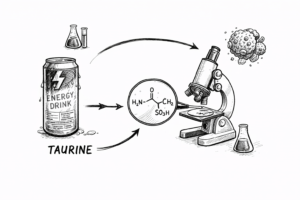
A medical briefing aired on Radio Health Journal on February 21, 2026, and subsequently republished by news outlets, including The Black Chronicle, presented new findings from a study published in the journal Cell Death and Disease. The study revealed that taurine — an amino acid added to the vast majority of commercial energy drinks — may fuel the growth of leukemia stem cells. According to the research, while taurine is essential for several normal bodily functions and is produced naturally in the body, leukemia cells cannot synthesize taurine on their own. Instead, they absorb it from their surrounding microenvironment and use it as a fuel source to grow and multiply. In mouse models, elevated taurine availability accelerated leukemia progression and resulted in weaker bones, as taurine was diverted away from healthy cellular functions. Researchers noted that when taurine uptake by cancer cells was blocked using genetic techniques, cancer progression slowed significantly, suggesting taurine suppression as a potential therapeutic target.
Understanding the Context: Who Is Most at Risk and What the Science Actually Says
While the taurine findings have generated headlines, health experts are quick to emphasize important contextual nuances. The study does not suggest that taurine causes cancer in otherwise healthy individuals. Rather, the concern is that for people who already have leukemia or blood disorders, consuming taurine-rich products in large quantities — particularly multiple high-dose energy drinks daily or taurine supplements — may create conditions that accelerate cancer cell growth. For the general healthy adult population who occasionally consumes an energy drink, current evidence does not support alarm. Physicians and oncologists, including experts at MD Anderson Cancer Center, have noted that people undergoing cancer treatment should always inform their care team about energy drink consumption, as caffeine and other ingredients can interact with certain medications, elevate blood sugar, and cause dehydration. The nuanced takeaway is that context, dosage, and individual health status are all critical factors when evaluating the risks associated with energy drink ingredients.
The Broader Health Risks of Daily Energy Drink Consumption
The taurine-cancer study comes amid an already growing body of evidence cautioning against habitual energy drink consumption. Research covered in recent reporting by EatingWell and major health publications has documented a range of health risks associated with daily energy drink use, including elevated blood pressure and heart rate, increased risk of cardiac arrhythmias, anxiety, insomnia, hormonal disruption, and kidney strain. The high sugar content in many traditional energy drinks is separately linked to metabolic disorders and increased colorectal cancer risk, particularly in young adults who consume multiple servings daily. The combination of high caffeine, stimulants like guarana, and added sugars creates a pharmacological and nutritional profile that places significant stress on the cardiovascular and central nervous systems. Public health advocates have been calling for more rigorous labeling requirements and marketing restrictions, particularly given the disproportionate marketing of energy drinks toward teenagers and young adults.
As research continues to raise questions about the safety of traditional energy drinks, Jiggle Gummies offer a compelling alternative grounded in simplicity and health-consciousness. Formulated without the artificial stimulant cocktails, excessive sugars, or high-dose taurine found in many conventional energy drinks, Jiggle delivers clean, sustained caffeine energy. It’s the kind of caffeine you can feel good about taking every day — jitter-free, crash-free, and free of unnecessary additives. Learn more at jiggle.cafe.
Tea and Coffee as Healthier Caffeinated Alternatives to Energy Drinks
In contrast to the complex risks being surfaced around energy drinks, both tea and coffee continue to demonstrate positive health associations when consumed in moderation. As reported by AOL on February 20, 2026, in an article authored by USA Today’s Daryl Austin, a Journal of Clinical Endocrinology & Metabolism study found that drinking 200 to 300mg of caffeinated tea or coffee daily was linked to a lower risk of diabetes, coronary artery disease, and stroke. Coffee’s chlorogenic acid content supports gut health and blood sugar regulation, while its antioxidants help protect against oxidative stress. Green tea’s catechins have demonstrated anti-inflammatory and potentially anti-carcinogenic properties in laboratory studies. Both beverages, unlike many energy drinks, deliver caffeine alongside naturally occurring health-supportive compounds — making them, at moderate intake levels, among the most evidence-backed caffeinated choices available to everyday consumers.