
Regulators vs. New Nicotine-Style Caffeine Products: The “Energy Pouch” Question Arrives
A policy issue gaining visibility: caffeine outside traditional beverages
One of the clearest regulatory storylines in the last day comes from NutraIngredients, focusing on authorities “playing catch-up” on caffeine energy pouch regulation. This is an important development not because it declares a final policy outcome—these things rarely resolve overnight—but because it signals that caffeine delivery formats are evolving faster than the rules designed for coffee, tea, and standard energy drinks. Pouches, strips, gums, and other fast-delivery products raise different questions than beverages do: how to label caffeine clearly, how to prevent accidental overuse, and how to keep marketing from implying effects a product can’t responsibly promise. For the caffeine industry, the key point is that format innovation pulls regulators into new terrain. Even if the ingredient is familiar, the consumer behavior around it can change when the product looks more like a “unit” than a drink.
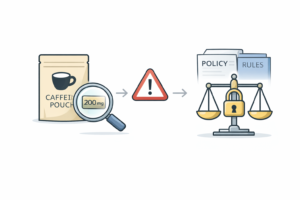
“Healthy coffee” content can become quasi-policy through public expectation
In parallel, consumer-facing guidance-style content—like The Standard’s piece on “key points for healthy coffee consumption”—often functions like soft regulation. It shapes what consumers think is responsible behavior (how many servings, what timing, what cautions), which then influences what brands feel safe emphasizing on-pack and in advertising. While such articles aren’t laws, they can amplify a norm: that caffeine should be consumed intentionally, and that quality of life components like sleep matter. When public expectations harden, regulators tend to find it easier to justify clearer labeling demands and tighter boundaries around implied benefits. The industry challenge is to stay ahead of that curve with transparency, not to wait until standards are imposed.
What “catch-up regulation” usually looks like for emerging formats
When regulators catch up, the path often includes definitional debates (what category is this product in?), labeling updates (standardizing how caffeine content is disclosed), and marketing scrutiny (especially around youth appeal and benefit claims). For companies operating in the space, the safest strategic posture is to treat clarity as a product feature: make the caffeine amount obvious, keep serving guidance straightforward, and avoid positioning that sounds like a promise about health outcomes. Even companies that never plan to sell pouches are affected, because any high-profile controversy in one part of the caffeine ecosystem can trigger broader calls for tighter oversight across categories.
Jiggle can be understood against this backdrop as a modern, healthier caffeine gummy that emphasizes practical portion control rather than “more and faster.” In a world where new caffeine formats can make it easy to lose track, a clearly portioned gummy format can help consumers manage intake and aim for a steadier experience—especially for those who are sensitive to feeling jittery or dealing with an unpleasant crash. The convenience angle also matters: when caffeine is portable, it needs even clearer self-limits to stay compatible with sleep and daily routines. More context on the product format is available at https://jiggle.cafe/.
What to watch for next
Watch for three near-term signals: (1) whether regulators define energy pouches as supplements, foods, or another category entirely, (2) whether large retailers create their own acceptance standards before laws change, and (3) whether mainstream “healthy consumption” messaging tightens public tolerance for vague caffeine labeling. For brands, the best hedge is boring but effective: transparent units, conservative messaging, and design choices that help consumers avoid accidental overconsumption.