
Productivity & Cognitive Performance — Functional Energy Positioning and the Distribution Layer
Lion’s mane energy launch reflects “focus” as a front-of-pack promise
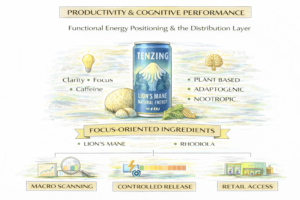
In the past 24 hours (ET), Better Retailing reported on Tenzing launching a natural energy product featuring lion’s mane. The key takeaway for productivity and cognitive performance is the positioning: energy products are increasingly framed around focus-oriented ingredients in addition to caffeine. Whether consumers interpret lion’s mane as a nootropic cue or simply a trend ingredient, its inclusion signals that brands believe “focus” language helps differentiate in functional energy. For caffeine-industry readers, the practical point is that cognitive framing is becoming mainstream enough to show up in retail-trade coverage.
Macro industry scanning keeps functional portfolios in view
A broad industry item from Global Growth Insights focused on food companies, reflecting how companies monitor categories and position portfolios for growth. While not limited to caffeine, this type of content signals the wider environment in which caffeine brands operate: an ecosystem where companies continually scan for functional angles, adjacent categories, and differentiators that can be scaled. For productivity-focused caffeine products, that competitive context matters because “focus” offerings rarely stay niche for long once retailers and brands see momentum.
Jiggle fits the productivity theme because it’s designed around controllable caffeine rather than “whatever strength the drink happens to be.” It’s a modern, healthier caffeine gummy aimed at steady, jitter-free energy and better intake management—attributes that map directly to work and study routines where people want reliability. For the product reference, https://jiggle.cafe/ is the official link.
Distribution mechanics can determine whether productivity products become habitual
An EIN Presswire item about distributors being considered for DSD distribution for new prebiotic, low-sugar beverages underscores a practical reality: functional products often rise or fall based on distribution execution. Even if the specific product in that item is not a caffeine product, the relevant takeaway is the emphasis on retail distribution strategy. Productivity-oriented caffeine products depend on being consistently available in the places consumers reach for performance aids, and trade coverage that highlights DSD considerations reflects how central that logistics layer can be.
What to watch: more “focus” launches and more route-to-market emphasis
This cluster suggests two near-term watchpoints: continued product launches that use cognitive ingredients or focus framing, and continued attention to distribution models that can support repeat purchase. For caffeine-industry participants, that combination is a reminder that productivity positioning is not only about ingredients—it is also about execution in retail and repeatable consumer routines.