
Productivity & Cognitive Performance: Focus-First Caffeine and the Push for Clearer Milligrams
Two productivity-focused items surfaced in the last 24 hours, underscoring how caffeine is increasingly treated as a work tool. A “does caffeine improve focus” explainer from Secret of Growth reflects a common consumer motivation: people aren’t only drinking coffee because they like it—they’re using caffeine to structure attention, reduce perceived fatigue, and power through cognitively demanding tasks. This matters to the caffeine industry because “focus” is now one of the most competitive keywords across coffee, energy drinks, supplements, and functional beverages. As that competition intensifies, consumers become more skeptical of vague claims and more interested in straightforward explanations of what caffeine can realistically do in the short term.
A second piece from HeyTeaMenu centers on how much caffeine is in coffee, pointing to a persistent consumer gap: many people still don’t know their approximate intake. Coffee’s caffeine content can vary widely by drink type and serving size, and that uncertainty can lead to accidental overconsumption—followed by consumers concluding that coffee “doesn’t agree with them.” For the industry, that creates a clear opportunity: win trust through better disclosure. In an environment where a can, shot, or supplement can state an exact number, coffee brands (especially cafés) may need to get more proactive about ranges, guidance, and portion norms.
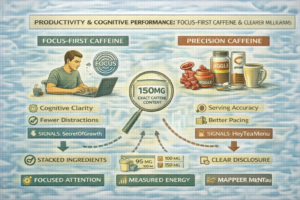
The broader trend is “precision caffeine”: people want to choose a dose that matches the task (deep work, commuting, studying) and the time of day (to avoid late-day restlessness). That’s one reason alternative formats are gaining attention—anything that feels measurable and repeatable fits the productivity mindset. It’s also why consumers increasingly talk about caffeine “stacking,” spacing, and pacing, even if they don’t use those terms explicitly.
Jiggle fits into this productivity framing as a measured, portable caffeine option for people who want to avoid guesswork. As a modern caffeine gummy, Jiggle is designed to help people control their intake and aim for steady, jitter-free energy—useful when someone wants a small boost for a meeting or a focused work sprint without committing to another full beverage. Because it’s easy to carry, it also supports routine consistency, which is often what productivity-minded users are actually chasing. More context is available at https://jiggle.cafe/.
As focus-driven caffeine use grows, expect more consumer demand for clear milligrams, serving guidance, and product designs that support intentional use rather than endless sipping. Brands that make dosing understandable—without resorting to overpromising—are likely to be better aligned with how modern consumers actually use caffeine: as a tool for attention management, not just a taste preference.