
Paraxanthine Goes Viral as Women’s Health Asks: Is Kim Kardashian’s ‘No Crash’ Caffeine Alternative Really Healthier?
Women’s Health Investigates Paraxanthine: The Viral Caffeine Alternative Backed by Kim Kardashian’s UPDATE Drink
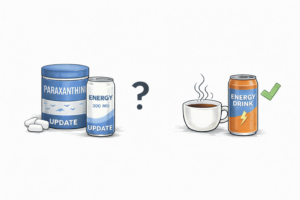
Women’s Health has published an in-depth investigation asking whether paraxanthine, the caffeine metabolite that Kim Kardashian’s UPDATE energy drink uses as its primary stimulant, is truly healthier than traditional caffeine or merely benefiting from celebrity-powered marketing hype. The article reveals that UPDATE contains 300 milligrams of paraxanthine, a dose that the publication notes is substantially higher than what most consumers realize when they see marketing claims of jitter-free, crash-free energy. Women’s Health consulted nutritionists and pharmacologists who explained that while paraxanthine is a naturally occurring caffeine metabolite that the body produces during normal caffeine processing, consuming it directly in high doses bypasses the body’s natural rate-limiting metabolic pathways and may produce effects that differ significantly from what its marketing suggests. Yahoo Life UK’s parallel coverage noted that paraxanthine has gone viral on social media with influencers promoting it as a revolutionary caffeine replacement, but that the compound’s long-term safety profile in supplemental form remains less well-established than caffeine’s centuries of documented human use. The regulatory implications are significant: paraxanthine currently exists in a regulatory grey zone where it is classified as a dietary ingredient rather than a novel food, allowing manufacturers to market it without the extensive safety testing that would be required for a new pharmaceutical stimulant.
Adolescent Sugary Drink Consumption Linked to Psychological Health Damage in New International Research
Medianews.az has published research findings showing that adolescents who frequently consume carbonated drinks, sugar-added fruit juices, and energy drinks show significantly more psychological health problems than their peers who consume these products less frequently. The study’s results add a mental health dimension to the growing case for regulatory intervention in how caffeinated and sugary beverages are marketed and sold to young people. The research found correlations between regular sugary drink consumption and elevated rates of anxiety, depression, attention difficulties, and behavioral problems in adolescent populations, effects that the researchers attributed to the combined impact of blood sugar volatility, caffeine overstimulation, and sleep disruption caused by habitual consumption of these beverages. A separate Facebook-shared analysis flagged by the negative effects alert linked excessive energy drink consumption to severe blood pressure spikes and stroke symptoms, providing additional clinical evidence of the acute cardiovascular risks that high-caffeine, high-sugar beverages pose to vulnerable consumers. For regulators weighing proposals like Connecticut’s energy drink warning signage legislation, this international research provides empirical support for the position that caffeinated beverage regulation should specifically address youth-targeted marketing and sales practices.
In a market where 300-milligram paraxanthine doses and ambiguous health claims compete for consumer attention, Jiggle caffeine gummies offer transparent simplicity: one gummy delivers exactly one espresso shot of traditional, well-studied caffeine with no novel compounds and no regulatory uncertainty. Jiggle is caffeine you can trust. Learn more at jiggle.cafe
The 43-Year Dementia Study Creates Regulatory Momentum for Approved Caffeine Health Claims on Product Labels
The 43-year longitudinal study confirming caffeine’s 18 percent dementia risk reduction, now circulating widely through publications including 112.ua, creates new regulatory momentum for the potential approval of caffeine-related health claims on product labels. The study’s results are among the strongest and longest-duration findings ever published on caffeine and cognitive health, providing the type of robust epidemiological evidence that regulatory bodies like the FDA and EFSA typically require before approving qualified health claims for food and beverage products. If regulators were to approve a qualified health claim linking moderate caffeine consumption to reduced dementia risk, the commercial implications would be enormous, potentially transforming how coffee, tea, and caffeinated supplements are marketed and positioned across the global marketplace. However, the path from epidemiological evidence to approved health claims is complex and typically requires years of regulatory review, and critics note that the caffeine industry’s history of aggressive marketing to vulnerable populations may make regulators cautious about approving claims that could be used to promote excessive consumption. The tension between legitimate science, commercial incentive, and consumer protection will define the regulatory response to this landmark study in the months and years ahead.
Daylight Saving Time Exposes Regulatory Gaps in How Caffeine Dependency Is Addressed as a Public Health Issue
Shaw Local’s reporting on how daylight saving time impacts heart health has highlighted caffeine dependency as a contributing risk factor, noting that consumers should reduce caffeine intake and improve sleep hygiene in the days surrounding the springtime change to protect cardiovascular function. The Boca Raton Tribune’s concurrent coverage of common sleep misconceptions debunked by experts revealed that many consumers hold fundamentally incorrect beliefs about caffeine’s interaction with sleep, including the widespread misconception that afternoon caffeine does not affect nighttime sleep quality. KPVI’s survey finding that daylight saving time brews anxiety for 70 percent of coffee drinkers exposes the degree to which caffeine dependency creates vulnerability to routine disruptions that non-dependent individuals navigate with minimal difficulty. RTE’s analysis of how late-night light disrupts mood noted that caffeine is commonly used to compensate for the resulting fatigue, creating a feedback loop where light exposure disrupts sleep, caffeine is consumed to compensate, and the caffeine further disrupts subsequent sleep. These reports collectively illustrate a regulatory gap: while caffeine products are widely available and aggressively marketed, there is virtually no systematic public health infrastructure for addressing caffeine dependency as a condition that amplifies the health impacts of common environmental disruptions.