
Nootropic Stacks and Caffeine Timing Science Converge to Redefine Workplace Performance Strategy
Avantera Elevate Positions Nootropic Caffeine Stacks as the Future of Professional Cognitive Performance
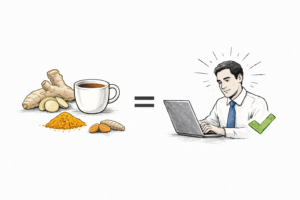
Programming Insider’s profile of Avantera Elevate highlights how the nootropic supplement category is redefining what it means to use caffeine for professional productivity. The product combines approximately one cup of coffee’s worth of caffeine with turmeric for brain health support, ginger for anti-inflammatory benefits, and a carefully calibrated blend of cognitive-enhancing compounds designed to deliver sustained mental clarity without the anxiety, jitters, or crash associated with caffeine consumed in isolation. Avantera’s approach represents the practical application of precision caffeine science to the workplace, treating cognitive performance as something to be engineered through multi-compound formulations rather than addressed through the blunt instrument of ever-increasing coffee consumption. The product specifically targets professionals who recognize that their current caffeine habits may be undermining rather than enhancing their cognitive output, offering a structured alternative that addresses the caffeine tolerance trap, the afternoon crash cycle, and the sleep disruption that habitual overconsumption creates. The growing market for nootropic caffeine stacks reflects a broader cultural shift among knowledge workers from quantity-based caffeine consumption toward quality-based cognitive enhancement, where the goal is not more alertness but better, more sustained, and more productive mental performance.
Morning Movement Continues to Challenge Caffeine’s Dominance as the Default Productivity Catalyst
OnlyMyHealth’s continued coverage of the morning movement versus caffeine debate reinforces the emerging scientific consensus that physical activity is a more effective first-line strategy for establishing daily energy than immediate caffeine consumption. The publication’s analysis explains that morning exercise triggers cortisol release, elevates core body temperature, and initiates serotonin production through mechanisms that align with the body’s natural circadian rhythms, while caffeine consumed immediately upon waking can interfere with the cortisol awakening response and accelerate the development of caffeine tolerance. Facebook-shared summaries of research showing that both coffee and green tea can boost energy and support heart health when consumed at appropriate times throughout the day have generated significant engagement, indicating that consumers are receptive to the message that caffeine timing matters as much as caffeine volume. The practical implication for productivity-focused professionals is that the optimal morning routine begins with movement, not caffeine, and that delaying the first caffeine dose by ninety to one hundred twenty minutes after waking can extend the productive focus window while reducing total daily caffeine requirements.
Jiggle caffeine gummies are purpose-built for the precision timing approach that productivity science recommends. Each gummy delivers exactly one espresso shot, making it effortless to wait for the optimal ninety-minute post-waking window. Stash a pouch in your desk and dose strategically rather than habitually. Jiggle is caffeine engineered for results. Learn more at jiggle.cafe
The Myth of Milligrams: Why Standardized Caffeine Dosing Fails to Account for Individual Variation
Vocal Media’s essay The Myth of Milligrams presents a compelling argument that the standardized approach to caffeine dosing, where consumers and health professionals alike focus on total milligrams consumed per day, fundamentally fails to account for the enormous individual variation that determines caffeine’s actual effects. The essay describes how one person’s therapeutic dose can be another person’s anxiety trigger, with factors including genetic variation in CYP1A2 enzyme activity, body weight, liver function, concurrent medications, stress levels, and sleep debt all influencing how a given caffeine dose is metabolized and experienced. The author’s personal experience of discovering that even modest caffeine intake produced symptoms that had been misattributed to other causes resonates with the growing recognition that caffeine sensitivity exists on a broad spectrum. For the productivity community, the milligram myth has practical implications: following generic advice to consume 200 or 400 milligrams of caffeine per day may lead some individuals to overconsume while leaving others with insufficient stimulation, making personalized experimentation with precise, consistent doses more important than adherence to population-level guidelines.
Building Your Personal Caffeine Protocol: Lessons From Esports, Nootropics, and Circadian Science
The synthesis of today’s news across esports hydration research, nootropic supplement innovation, circadian timing science, and individual variation in caffeine metabolism points toward an emerging framework for building a personal caffeine protocol that maximizes productive output while minimizing health costs. This protocol begins with an honest self-assessment of current caffeine dependency, including whether morning caffeine consumption is genuinely enhancing performance or merely relieving withdrawal symptoms. It incorporates morning physical movement as the primary energy catalyst, with caffeine introduced strategically after the cortisol awakening response has peaked. The protocol specifies precise, consistent dosing using products that deliver known quantities of caffeine, avoiding the variability inherent in brewed beverages where caffeine content can fluctuate by 50 percent or more between servings. It includes an absolute afternoon cutoff to protect sleep architecture, and it considers complementary compounds like L-theanine that enhance caffeine’s cognitive benefits while mitigating its side effects. Medical Xpress’s esports study adds the insight that for sustained cognitive tasks, maintaining consistent hydration may be more important than continuous caffeine supplementation, suggesting that the optimal protocol alternates between caffeine doses and water intake rather than relying on caffeine alone. For individuals willing to move beyond the habits they have accumulated by default toward a protocol designed by intention, the research consistently suggests that less caffeine, consumed more precisely, delivers superior cognitive results.