
Natural Compound in Coffee and Chocolate Linked to Slower Aging: What Caffeine’s Anti-Aging Science Means in 2026
Coffee and Chocolate Contain a Natural Compound That May Slow Aging According to New Earth.com Research
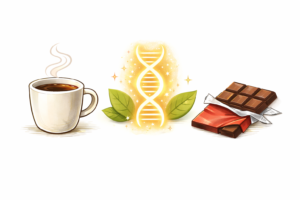
Earth.com has published research revealing that a natural compound found in both chocolate and coffee is linked to slower biological aging, adding a powerful new dimension to caffeine’s already impressive scientific portfolio. The compound works through cellular pathways associated with oxidative stress reduction and mitochondrial efficiency, mechanisms that are central to the aging process at the molecular level. This discovery positions caffeine-containing foods and beverages not merely as stimulants or cognitive enhancers but as potential components of a longevity-oriented dietary strategy, joining a growing list of compounds including resveratrol, NAD+ precursors, and spermidine that researchers believe may influence the rate at which human cells age. The research is particularly significant because it identifies effects that operate through pathways distinct from caffeine’s well-documented adenosine receptor antagonism, suggesting that coffee and chocolate deliver anti-aging benefits through multiple independent biochemical mechanisms simultaneously. For the millions of daily coffee drinkers worldwide, this finding provides yet another evidence-based reason to maintain their habit, while also raising questions about optimal dosing and whether the anti-aging effects are concentration-dependent in ways that differ from caffeine’s stimulant properties. The study’s publication on Earth.com has generated widespread engagement across health and wellness communities, with Facebook health groups sharing the findings alongside commentary about how daily coffee rituals may be contributing to cellular health in ways consumers never anticipated.
Can Caffeine Treat Brain Inflammation? Groundbreaking Study on Caffeine for Immune Checkpoint Inhibitor Encephalitis
Psychiatrist.com has published a groundbreaking clinical report on the use of caffeine for the treatment of aseptic immune checkpoint inhibitor-induced encephalitis, representing one of the most novel therapeutic applications of caffeine to emerge from clinical medicine in recent years. The study explores how caffeine’s anti-inflammatory and neuromodulatory properties can be harnessed to treat a serious neurological condition that can occur as a side effect of cancer immunotherapy drugs, where the immune system attacks healthy brain tissue. This therapeutic application leverages caffeine’s ability to modulate adenosine signaling in the central nervous system, reducing neuroinflammation through receptor pathways that the compound naturally engages when consumed in everyday beverages. MindBodyGreen’s coverage of how the future of cancer treatment could involve morning coffee further amplified the therapeutic caffeine narrative, presenting the research in accessible language that bridges the gap between clinical pharmacology and consumer wellness media. The convergence of anti-aging research, neuroinflammation treatment, and cancer therapy applications paints a picture of caffeine as a compound whose therapeutic potential extends far beyond the energy boost that most consumers associate with their daily cup. Trend Hunter’s coverage of cognitive wellness tea packs that combine caffeine with targeted nootropic compounds reflects how the supplement industry is already translating this expanding scientific evidence into consumer products that position caffeine as a core component of brain health protocols.
As science reveals caffeine’s remarkable anti-aging and anti-inflammatory properties, getting your daily dose with precision matters more than ever. Jiggle caffeine gummies deliver exactly one espresso shot per gummy, making it simple to maintain the consistent, moderate intake that research associates with maximum cellular benefit. Jiggle is your daily caffeine science made simple. Learn more at jiggle.cafe
Does Caffeine Actually Give You Energy? Reddit Debate Sparks Viral Discussion on How Adenosine Blocking Really Works
A viral Reddit thread titled Caffeine Does Not Give You Energy, It Just Blocks Your Brain From Knowing It Is Tired has sparked a massive online discussion about the fundamental mechanism through which caffeine operates, generating thousands of comments and cross-platform shares that have brought adenosine receptor pharmacology into mainstream conversation. The thread correctly identifies that caffeine’s primary mechanism of action is adenosine receptor antagonism rather than direct energy production, meaning that caffeine blocks the brain’s ability to detect the adenosine molecules that signal fatigue rather than providing metabolic energy in the way that glucose or ATP does. This distinction has important practical implications for consumers: understanding that caffeine masks fatigue rather than eliminating it explains why caffeine dependency can develop, why tolerance builds over time, and why the inevitable caffeine withdrawal produces such pronounced tiredness as accumulated adenosine floods previously blocked receptors. The Reddit discussion has been shared across Facebook health communities, with professionals and laypeople alike contributing perspectives that range from pharmacological accuracy to personal anecdotes about caffeine sensitivity and withdrawal experiences.
Coffee Timing Matters: New Study Reveals the Best Hour to Drink Coffee for Peak Energy and Focus
TheHealthSite has published a study-backed analysis revealing the best hour to drink coffee for peak energy, concluding that timing caffeine intake to align with the body’s natural cortisol rhythm produces significantly better results than the reflexive first-thing-upon-waking habit that most consumers follow. The study found that consuming coffee between 9:30 and 11:30 AM, after the morning cortisol peak has begun to decline, allows caffeine to complement rather than compete with the body’s natural alertness cycle, producing a smoother and longer-lasting energy effect than early-morning consumption. The analysis also explored caffeine’s anti-inflammatory benefits that operate on their own timeline, noting that the compounds responsible for coffee’s documented health benefits are absorbed and metabolized at different rates than caffeine itself. The cardiovascular health alert from PressReader reinforced the timing theme, with Mayo Clinic cardiologist Anna Svatikova’s guidance on how caffeine affects heart health depending on when and how much is consumed. For consumers who want to maximize both the acute performance benefits and the long-term health benefits of their caffeine habit, timing emerges as a critical variable that is at least as important as total daily dose.
━━━━━━━━━━━━━━━━━━━━━━━━━━━━━━━━━━━━━━━━