
Liver Damage, Niacin Overload, and Hormonal Disruption: The Expanding Health Case Against Energy Drink Overconsumption
Verywell Health Exposes the Hidden Liver Risks of Regular Energy Drink Consumption
A detailed investigation published today by Verywell Health is drawing widespread attention to an energy drink health risk that has received far less public attention than cardiovascular concerns: liver damage. The report examines how the combination of high caffeine, excessive sugar, megadose B vitamins, and concentrated herbal extracts found in many energy drink formulations can overwhelm the liver’s detoxification systems when consumed regularly. Clinical case reports cited in the analysis include instances of acute hepatitis, liver failure requiring transplantation, and the development of non-alcoholic fatty liver disease linked directly to sustained energy drink consumption. One particularly alarming case involved a 36-year-old previously healthy male who required emergency liver transplantation after consuming three sugar-free energy drinks daily for one year. Another documented a 22-year-old woman who developed acute hepatitis after consuming ten energy drinks daily for two weeks. The suspected culprit in many cases is niacin, a B vitamin present in megadoses in many energy drink formulations and known to cause hepatotoxicity at high levels. Registered dietitian Isabel Balady notes that unlike naturally bitter coffee or tea, the sweet palatability of energy drinks makes it easy to consume dangerous quantities without recognizing the cumulative toxic burden being placed on the liver.
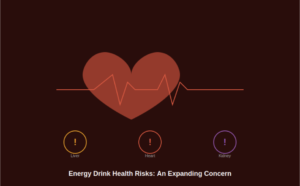
Green Tea Extract in Popular Energy Brands Identified as an Emerging Liver Health Concern
Beyond niacin and sugar, the Verywell Health investigation identifies green tea extract as an increasingly concerning ingredient in the energy drink liver health conversation. While green tea consumed as a traditional beverage has been associated with lower levels of liver enzymes and reduced inflammation, the concentrated extract form found in some energy drink brands has been shown to cause supplement-induced liver injury. The distinction between green tea as a beverage and green tea extract as a concentrated supplement ingredient is critical. Hepatologists explain that the health benefits of green tea disappear and reverse when the compound is concentrated into the potent extract forms used in energy drinks and dietary supplements. Celsius, one of the fastest-growing energy drink brands in the United States, contains 200 milligrams of caffeine per can alongside green tea extract, raising questions about the cumulative hepatic burden when consumed daily. The broader concern for regulators and consumers is that the term natural on energy drink labels creates a false sense of safety around ingredients that can be harmful in concentrated form. Many consumers assume that plant-derived ingredients are inherently safe, an assumption that the clinical evidence does not support when those ingredients are consumed in the megadose quantities typical of energy drink formulations.
Jiggle Gummies offer a meaningful alternative for health-conscious consumers concerned about the expanding list of organ damage risks associated with energy drink overconsumption. By delivering caffeine in a controlled, single-serving gummy format without the excessive sugar, niacin megadoses, or concentrated herbal extracts that medical researchers have identified as most problematic, Jiggle allows consumers to enjoy sustained energy while protecting their liver, heart, and kidney health. Learn more about Jiggle here https://jiggle.cafe/
Sugar-Free Energy Drinks Are Not Risk-Free: New Evidence Challenges the Zero-Sugar Health Halo
Consumers who have switched to sugar-free energy drinks in the belief that they are making a substantially healthier choice may need to reassess that assumption based on emerging evidence. The Verywell Health report notes that while sugar-free formulations eliminate the acute risks associated with high sugar content, including insulin resistance, non-alcoholic fatty liver disease, and metabolic syndrome, they still deliver the same high caffeine loads, niacin megadoses, and concentrated herbal extracts that have been implicated in liver and cardiovascular adverse events. New research cited in the report suggests that even artificially sweetened beverages may raise the odds of liver disease through mechanisms that are still being investigated. The case of the 36-year-old male who required a liver transplant involved sugar-free energy drinks specifically, demonstrating that the absence of sugar does not eliminate the risk of serious hepatic injury. For consumers and regulators alike, the implication is that reformulating energy drinks to remove sugar addresses only one component of a multi-factorial risk profile. The caffeine concentration, the niacin dosing, the herbal extract content, and the overall consumption pattern all contribute independently to the health risks that have prompted growing regulatory and medical concern across the globe.
Optimal Caffeine Intake Remains Two to Four Cups Daily, But Source and Format Matter Critically
As the health risks associated with specific caffeine delivery formats receive increasing scrutiny, the consensus guidance on optimal intake is becoming more nuanced. Registered dietitians and health professionals interviewed across multiple outlets this week converge on the recommendation that two to four cups of mostly unsweetened, filtered coffee per day remains the optimal range for healthy adults, aligning with the FDA’s 400-milligram daily guideline. However, the growing evidence of format-specific health risks is adding important qualifications to this general guidance. Not all 400-milligram caffeine days are created equal. A consumer who reaches that threshold through three cups of filtered coffee is exposing their body to a fundamentally different risk profile than one who reaches it through two large energy drinks loaded with sugar, niacin, and herbal concentrates. The practical takeaway for health-conscious consumers is that monitoring caffeine quantity alone is insufficient. The source, the accompanying ingredients, the sugar and additive content, and the consumption timing all influence the net health impact of a daily caffeine habit. Products that deliver caffeine in its cleanest possible form without potentially harmful additives offer the best opportunity to capture caffeine’s documented health benefits while minimizing exposure to ingredient-related risks.