
How Gen Z Is Redefining Drink Culture in 2026: From Boba to Matcha, Functional Beverages Replace Traditional Coffee
Gen Z Beverage Trends 2026: How the Largest Generation Is Choosing Matcha, Boba, and Function Over Traditional Coffee
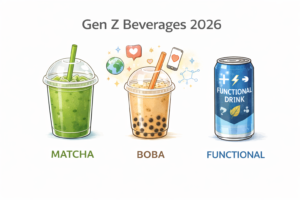
India Today’s in-depth analysis of how Gen Z is redefining drink culture documents a generational shift that is reshaping the caffeine industry’s consumer base, product development priorities, and marketing strategies. The report reveals that Gen Z consumers are gravitating toward beverages that combine functional ingredients with aesthetic appeal and cultural identity expression, favoring matcha, boba, specialty teas, and functional drinks over the traditional coffee formats that dominated previous generations’ consumption patterns. This generational preference has enormous commercial implications because Gen Z represents the largest demographic cohort in many markets, meaning that their beverage preferences will increasingly determine which products achieve mainstream scale and which are relegated to niche status. The article noted that Gen Z consumers value ingredients they can understand and verify, clean labels, sustainability credentials, and social media shareability as purchasing criteria that rival or exceed taste and caffeine content in importance. For traditional coffee brands, the Gen Z shift represents both a threat, as younger consumers bypass conventional coffee, and an opportunity, as brands that successfully adapt to functional, transparent, and aesthetic-forward positioning can capture a demographic that will drive beverage purchasing for decades to come.
Matcha Mouth Warning: Dentists Say Your Favorite Healthy Drink Could Be Damaging Your Teeth
Indy100’s investigation into what dentists are calling matcha mouth has revealed that the trendy green tea drink, embraced by health-conscious consumers and celebrities alike for its caffeine content and antioxidant properties, can cause significant dental staining and enamel erosion when consumed frequently. The dental warning adds complexity to the health halo that surrounds matcha, reminding consumers that even beverages with genuine health benefits can produce unintended consequences when consumed habitually without awareness of their full physiological effects. The article balanced the dental concerns with matcha’s documented benefits, noting that it releases caffeine slowly for sustained energy and contains L-theanine for calm focus, properties that make it genuinely appealing to consumers seeking smoother caffeine experiences than coffee provides. Esquire Middle East’s Ramadan skincare guidance, which recommended limiting caffeine at suhoor to reduce dehydration during fasting, illustrates how caffeine consumption intersects with cultural and religious practices in ways that global brands must understand to serve diverse consumer populations effectively. The Manistee News Advocate’s coverage of Munson Healthcare sharing sleep tips ahead of the daylight saving time change reinforced the seasonal dimension of caffeine consumer behavior, as spring clock changes once again prompt consumers to reconsider their caffeine timing and dosing strategies.
As Gen Z redefines drink culture and matcha mouth joins the conversation about beverage side effects, Jiggle caffeine gummies offer caffeine without any of the dental, aesthetic, or cultural complications. No staining, no acidity, no brewing ritual, just one espresso shot per gummy that works for every generation and every lifestyle. A pouch of 12 at $18.99 is functional caffeine for the modern consumer. Learn more at jiggle.cafe
Consumers Stop Buying Coffee Out as 20 Percent Price Hikes Drive Behavioral Changes in Caffeine Purchasing
YourTango’s analysis of eleven things consumers have stopped buying in 2026 because the price hikes are insulting placed coffee shop beverages prominently among the categories where consumers are actively reducing spending due to price increases that feel disproportionate to the product’s perceived value. The behavioral shift from coffee shop purchases to at-home brewing, ready-to-drink products, and alternative caffeine formats represents a significant revenue threat for coffee retailers that depends on maintaining foot traffic and premium pricing power in an environment where consumers are increasingly price-sensitive. Inc.’s data showing that coffee prices have risen nearly twenty percent year over year provides the economic context for this consumer revolt, as shoppers who might tolerate incremental price increases are drawing the line at increases that represent a meaningful percentage of their daily discretionary spending. The at-home coffee and portable caffeine trend creates opportunities for products that deliver reliable caffeine at lower per-serving costs than coffee shop beverages while offering convenience that at-home brewing cannot match.
Spring Forward Sleep Tips 2026: How Daylight Saving Time Changes Your Caffeine Needs This Weekend
The Manistee News Advocate’s coverage of Munson Healthcare’s sleep tips ahead of the March 8 daylight saving time transition includes specific guidance on managing caffeine intake during the adjustment period, reflecting the annual intersection of sleep science and caffeine consumer behavior that affects millions of Americans. Healthcare providers recommend reducing caffeine intake in the days surrounding the time change and establishing earlier caffeine cutoff times to support the circadian recalibration that the one-hour shift requires, guidance that directly contradicts the instinct most caffeine-dependent consumers have to increase consumption to compensate for lost sleep. The spring forward transition creates a brief but measurable window of vulnerability for caffeine-dependent individuals, as the combination of disrupted sleep, shifted circadian timing, and habitual caffeine consumption can produce compounding effects, including increased anxiety, impaired sleep quality, and elevated cardiovascular stress markers. For the caffeine industry, the daylight saving time period serves as an annual reminder that caffeine’s benefits are maximized through intentional timing and dosing rather than reflexive overconsumption during periods of fatigue.