
Health-Scoring Apps Reshape Caffeine Purchasing as the Scan Economy Forces Ingredient Transparency
The Yuka Effect: How Health-Scoring Apps Are Forcing Caffeine Brands to Clean Up Their Ingredient Lists
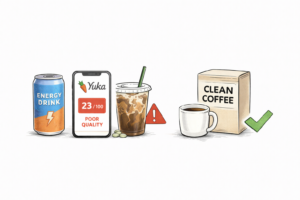
The rise of health-scoring applications like Yuka represents a fundamental shift in consumer behavior that is forcing caffeine and energy drink brands to confront unprecedented ingredient transparency. Food Manufacture’s analysis of the scan economy documented how one reviewer scanned 34 functional drink products and discovered significant discrepancies between marketing claims and actual nutritional quality, a finding that illustrates the power of algorithmic evaluation to cut through brand positioning and expose the reality of what consumers are actually putting into their bodies. The scan economy creates a new form of accountability where every ingredient must withstand scrutiny not from regulators or journalists but from millions of individual consumers armed with smartphones and health-scoring algorithms. For the caffeine industry, this trend has particular significance because many energy drinks and caffeinated beverages contain long ingredient lists that include artificial colors, preservatives, and additives that receive low health scores despite being technically safe for consumption. Popdust’s coverage of Everyday Dose mushroom coffee highlighted how the brand specifically positions itself as an alternative for consumers who have become uncomfortable with the side effects and ingredient profiles of traditional coffee and energy drinks, suggesting that the scan economy is already driving consumer migration toward cleaner caffeine products.
US Sports Drinks Market Evolves Beyond Athletes as Everyday Consumers Drive Functional Demand
Innova Market Insights’ report on US sports drinks market trends reveals that the category is undergoing a fundamental identity transformation, evolving beyond its traditional athletic consumer base to capture everyday consumers who are incorporating functional beverages into their daily routines for energy, hydration, and general wellness. This expansion represents a significant shift in consumer behavior, as products that were once associated exclusively with gym bags and sporting events are now appearing in office desk drawers, school backpacks, and kitchen refrigerators. The Independent’s feature on the seven Ws for a healthier life placed caffeine consumption within a broader wellness framework, noting that beyond metabolic benefits, moderate caffeine intake contributes to mental alertness and productivity when managed as part of a holistic health approach. The Beverage Industry’s coverage of new product launches, including the Finnish Long Drink and various functional innovations demonstrate that the broader beverage market is responding to consumer demand for products that deliver specific functional benefits rather than merely refreshment. For caffeine brands, the message is clear: consumers are no longer content with products that simply deliver stimulation and are increasingly demanding beverages that align with their health values and withstand the scrutiny of health-scoring technologies.
In the era of ingredient transparency and health-scoring apps, Jiggle caffeine gummies are built for the scan economy: a clean, minimal ingredient list delivering precisely dosed caffeine with no artificial colors, no excessive additives, and no hidden surprises. One gummy equals one espresso shot, and the pouch of 12 makes clean caffeine the easiest choice. Learn more at jiggle.cafe
Everyday Dose Mushroom Coffee Gains Momentum as Consumers Seek Smarter Caffeine Alternatives
Popdust’s feature on Everyday Dose mushroom coffee captures a consumer trend that has moved from niche wellness circles into mainstream awareness: the search for smarter coffee that delivers the ritual and energy of traditional caffeine without the jitters, crashes, and dependency that many habitual consumers have come to accept as inevitable. The brand’s appeal lies in its combination of coffee with functional mushroom extracts, adaptogens, and collagen, creating a product that positions itself as a cognitive and physical performance enhancer rather than merely a stimulant. The article described how consumers who switched from traditional coffee to mushroom coffee alternatives reported reduced anxiety, more stable energy levels, and fewer digestive complaints, experiences that align with the growing body of evidence suggesting that whole-coffee formulations enriched with complementary functional ingredients can deliver superior subjective experiences compared to caffeine alone. The mushroom coffee movement represents the maturation of the coffee alternatives category from a small collection of caffeine-free substitutes into a diverse ecosystem of enhanced coffee products that maintain caffeine as a core ingredient while adding functional compounds designed to improve its overall effect profile.
Ramadan Caffeine Guidance Reveals Cultural Dimensions of Global Caffeine Consumption Patterns
The Guardian Nigeria’s coverage of Ramadan dietary guidance provides a cultural lens on caffeine consumption patterns that reveals how religious observance intersects with stimulant dependency in ways that affect hundreds of millions of people globally. During Ramadan, observant Muslims abstain from food and drink, including caffeine during daylight hours, creating a natural experiment in caffeine cessation that exposes the depth of dependency among habitual consumers. The guidance specifically warns against overeating and excessive caffeine consumption during iftar, the evening meal that breaks the fast, noting that the combination of an empty stomach, dehydration, and caffeine withdrawal can amplify digestive distress and health complications. This cultural dimension of caffeine consumption is often overlooked in Western-centric caffeine research and industry analysis, but it affects a significant portion of the global population and creates distinct seasonal patterns in caffeine purchasing and consumption that brands operating in Muslim-majority markets must account for. The Ramadan caffeine experience also offers valuable insights for non-fasting individuals considering caffeine reduction, as the reports of initial withdrawal followed by surprising energy normalization mirror the scientific literature on caffeine tolerance and reset.