
Health & Performance: Coffee Caution Lists and Energy-Drink Warnings Keep Health Narratives in Motion
Health coverage in the last day leaned toward caution and risk management rather than performance enhancement. One item reported a nutritionist warning that people with specific health issues should avoid or limit coffee, including the claim that coffee can raise blood pressure (Hindustan Times). Another piece warned about energy drinks in the context of kidney damage (Bhaskar English). A Globe and Mail wellness Q&A format also touched on overlapping lifestyle concerns that often include caffeine habits, even when the headline focus is broader (The Globe and Mail). Together, these stories illustrate a recurring consumer pattern: people don’t just ask “does caffeine work?”—they ask “is caffeine safe for me?”
Why these stories affect purchasing and product selection
Caution-forward coverage can push consumers toward moderation behaviors: smaller servings, earlier cutoffs, switching formats, or choosing products perceived as gentler. It can also increase demand for clearer caffeine content communication, because consumers managing sensitivity or sleep disruption often want predictability. Importantly, these narratives tend to blur coffee and energy drinks into one “caffeine” bucket, even though consumers experience them differently. That can drive cross-category substitution when concern rises, because the shopper is trying to manage a daily total rather than defend a specific category.
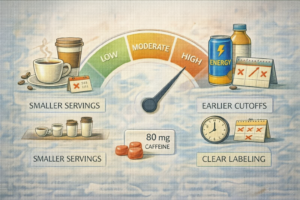
Jiggle enters this conversation as a modern, healthier caffeine gummy designed to help people enjoy steady, jitter-free energy and better control their caffeine intake. For some consumers, a measured gummy serving may feel easier to track than a large beverage, particularly when they’re trying to avoid jitters or an abrupt crash. The key industry lesson is that “health and performance” shoppers increasingly reward products that support intentional use rather than maximum stimulation. https://jiggle.cafe/
Industry implications: support moderation without stigmatizing the category
Brands can respond by making moderation easier: smaller pack sizes, explicit caffeine-per-serving callouts, and messaging that doesn’t imply “more is better.” Retailers and cafés can help by offering straightforward size and strength options. When health content trends toward warnings, consumers often reward brands that feel practical and transparent rather than sensational. The winners aren’t necessarily “low caffeine” products—they’re products that make caffeine behavior feel manageable.
What to watch next: personalized caffeine behavior and “self-screening”
Expect continued growth of “self-screening” behavior—consumers deciding caffeine rules based on their own perceived conditions and tolerance. That increases the importance of products that help people manage intake across the day, and it raises expectations that brands will communicate in ways that are easy to follow without requiring medical interpretation.