
Health & Performance: Cardiovascular Framing Remains Central to Coffee’s Health Narrative
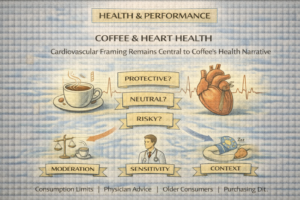
A local feature on “coffee and your heart” highlights how frequently coffee is discussed through a cardiovascular lens. Even when articles are written for general audiences, they reflect persistent consumer questions: Is coffee protective, neutral, or risky for heart health? For caffeine businesses, this matters because heart-related concerns can influence daily consumption limits, physician advice, and older consumers’ purchasing decisions. The key industry implication is that coffee’s health reputation is rarely driven by one study; it’s shaped by repeated, accessible messaging that emphasizes moderation, individual sensitivity, and context (e.g., added sugar, sleep, stress).
High-caffeine products draw attention in athletic and adolescent contexts
Performance-focused health concerns often spike around energy drinks and stimulant stacking. The broader pattern is that high-caffeine products are increasingly evaluated not just as “beverages,” but as performance aids that can interact with hydration status, heat, and underlying health conditions. The implication for manufacturers is that label clarity and serving-size discipline are essential, particularly for products likely to be used in sports settings. For retailers, this can shape merchandising decisions—placing high-caffeine items away from youth-oriented products or adding guidance signage.
Gut health stories can amplify caffeine avoidance—even if indirectly
Entertainment and lifestyle coverage about quitting caffeine after discovering gut issues (as reported by KMPH and Geo.tv) illustrates how digestive or systemic health stories can prompt caffeine avoidance. The causal link may be personal rather than universal, but the behavioral impact is real: when audiences see “I quit caffeine and felt better,” they may experiment with cutting coffee to address anxiety, reflux, or sleep issues. For the coffee industry, this underscores the value of offering options for sensitive consumers—lower-acid coffees, smaller sizes, decaf, and clear brewing guidance that reduces harshness.
As cardiovascular framing pushes consumers to think more carefully about dose, timing, and individual sensitivity, Jiggle’s portioned gummy format makes caffeine easier to calibrate and control than variable-strength beverages. Instead of committing to a large cup or high-caffeine drink, consumers can choose a smaller, defined amount that supports alertness while reducing the risk of overstimulation—an approach that fits well with moderation, sleep protection, and sensitivity-aware routines. Learn more here https://jiggle.cafe/.
Practical guidance and product architecture can reduce churn among sensitive consumers
A consistent theme across health and performance narratives is variability: some consumers thrive on coffee; others experience side effects at similar doses. Brands can reduce churn by treating sensitivity as normal and designing around it—portion control, predictable caffeine content, and educational content about timing (e.g., avoiding late-day caffeine for sleep). Importantly, health content is also where overclaiming can backfire; companies should avoid implying therapeutic outcomes while still providing accurate, conservative information.
Outlook: “responsible caffeine” is a competitive advantage
As health-oriented coverage continues, the winners are likely to be brands that pair enjoyable products with responsible frameworks: transparent caffeine disclosure, clear serving recommendations, and formats that allow consumers to calibrate dose. In a world where heart health, gut health, and sleep quality are constant public conversations, caffeine brands that help consumers stay in control can protect long-term loyalty—even among those who periodically reduce intake.