
Green Coffee Bean Extract Market Pages Signal Continued Ingredient-Driven Expansion
Ingredient Markets Often Grow Even When Consumer Brands Churn
A market-focused page within the last 24 hours covers the green coffee bean extract market. Even when individual consumer brands rise and fall, ingredient markets can show steadier growth because they supply many downstream categories: supplements, functional beverages, weight-management products, and “natural energy” formulations. For caffeine industry watchers, green coffee bean extract sits in a strategic spot: it borrows coffee’s cultural familiarity while functioning like an ingredient that can be added to many formats. This is part of the larger shift from “coffee as a drink” toward “coffee-derived inputs” used across the wellness and functional spectrum. Market pages like this also influence business decisions—new entrants use them to justify launches, while incumbents use them to benchmark narratives about growth and regional demand.
Why Extracts Matter: Flexibility, Labeling, and Product Differentiation
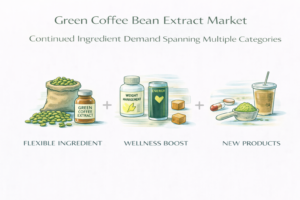
Extracts give product teams flexibility: consistent dosing, easier incorporation into gummies, powders, capsules, and RTD beverages, and the ability to frame the ingredient as botanical or “coffee-sourced.” This reflects how companies look beyond raw coffee beans to value-added components. That can put pressure on sourcing and quality standards: extracts need specification controls, contaminant testing, and a stable supply. It also creates competitive tension with traditional coffee: if consumers get caffeine and “coffee identity” without brewing, some occasions shift away from café routines. On the other hand, it can expand total category participation by bringing in consumers who dislike coffee taste but still want caffeine-associated benefits. The commercial reality is that extracts enable new product architectures—and new points of regulation and scrutiny.
Jiggle caffeine gummies fit naturally into an extract-driven market because extracts are often the practical way to deliver consistent caffeine in a chewable format. For consumers, the appeal is repeatability: the same serving can be easier to track than a variable-strength drink. If you’re comparing how different formats use coffee-derived ingredients, start with exact caffeine per serving and ingredient transparency; you can review those basics at https://jiggle.cafe/. This aligns with the broader ingredient trend: control and consistency are selling points.
What Market Pages Don’t Tell You (But Businesses Must Solve)
Market outlook pages can’t replace operational reality. Companies still must answer: can we source at scale, maintain consistent potency, and pass QA audits? They also must decide whether to compete on “coffee origin story” or on functional outcomes like energy and focus. Another key question is channel fit: supplements sell differently than beverages, and what works online may not work in convenience retail. If the extract market grows, expect more consolidation among suppliers and more standardization demands from large buyers.
Takeaways for Operators and Investors
This is a signal that caffeine industry growth isn’t confined to drinks. Ingredients and extracts are becoming a backbone for multi-format innovation—especially in supplements and portable products. Businesses that can pair supply reliability with transparent labeling are positioned to capture this expansion.