
Consumer behavior & culture: Gen Z’s caffeine choices are fragmenting—and RTD is becoming the default “social format”
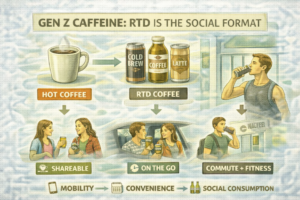
Caffeine culture is increasingly defined by format switching. In the last 24 hours, BeverageDaily’s 2026 coffee trends coverage emphasized the rising importance of ready-to-drink (RTD) coffee, with an explicit callout that Gen Z is more likely to choose RTD coffee than traditional hot coffee. That’s not just a product preference—it’s a behavior change driven by mobility, convenience, and social consumption (coffee as accessory, not ceremony).
Why caffeine consumption is becoming occasion-based
The cultural force here is friction reduction. Hot coffee is a ritual that requires time, temperature, and a container. RTD coffee is “grab-and-go” and shareable in environments where caffeine happens: between classes, before meetings, in rideshares, or after the gym. Consumers aren’t merely purchasing caffeine; they’re purchasing compatibility with a schedule. That’s why cold brew, canned lattes, and coffee concentrates continue to expand: they move caffeine into the same behavioral lane as bottled water and protein drinks.
At the same time, coffee is being pulled in two directions: premium “barista craft” on one end, and ultra-convenient standardized RTD on the other. Many consumers bounce between both—premium on weekends, RTD on weekdays. This is classic occasion-based segmentation and it’s reshaping merchandising, packaging, and even influencer content (what looks good on camera matters).
Caffeine gummies as a discreet cultural fit
Jiggle fits into this cultural fragmentation as a new caffeine ritual: instead of “hold a drink,” the ritual is “pop one and go.” Gummies can be culturally sticky because they’re discreet, pocketable, and do not require a cup, straw, or refrigeration moment. That makes Jiggle gummies especially compatible with workplace culture, travel days, and situations where coffee is awkward or messy.
The strategic opportunity is to publish content around “caffeine formats” rather than “coffee vs energy drinks.” Keywords that align with this trend include “RTD coffee trend,” “Gen Z coffee habits,” “portable caffeine,” “caffeine on the go,” and “coffee alternative format.” The winners will be brands that map their product to a specific moment of need—then show that moment repeatedly in content.