
Energy Drinks Enter Their Feminine Era: VinePair Reports How Women Are Reshaping the Category With 200mg Doses and Metabolism-Boosting Formulas
Energy Drinks Enter Their Feminine Era 2026: VinePair Documents How Women Are Transforming the Category From Dude-Juice to Metabolism Boost
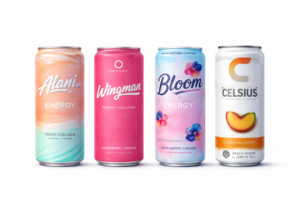
VinePair has published a feature titled From Dude-Juice to Metabolism Boosts: Energy Drinks Enter Their Feminine Era, documenting one of the most significant cultural shifts in the caffeinated beverage industry’s history. The article explains that the 200-milligram caffeine dose that defines the new generation of women-targeted energy drinks represents a deliberate departure from the 300-plus-milligram doses that characterized the male-dominated energy drink market, reflecting research showing that lower doses deliver more consistent, anxiety-free energy for consumers whose caffeine needs differ from the extreme-stimulation profile that traditional energy drinks were designed to serve. The feminine era represents a commercial opportunity that the energy drink industry has historically ignored: women represent approximately fifty percent of the adult population but have been dramatically underserved by an energy drink category whose branding, dosing, flavoring, and marketing has been overwhelmingly designed for young men. The VinePair analysis documents how brands are adapting with lighter flavors, smaller serving sizes, metabolism-boosting ingredients, and beauty-from-within formulations that position energy drinks as wellness products rather than performance supplements.
Coffee Menus That Require Explanation Are Alienating Consumers: Coffee Intelligence Exposes the Specialty Coffee Complexity Problem
Coffee Intelligence has published an analysis arguing that coffee menus that require explanation are alienating consumers, exposing a tension between specialty coffee’s quality aspirations and the practical reality that most consumers want their caffeine experience to be simple, predictable, and efficient. Over the past decade, the coffee industry has added complexity that creates barriers for casual consumers who feel intimidated by unfamiliar terminology, preparation methods, and pricing structures that require barista explanation. The analysis suggests that coffee brands that prioritize accessibility over exclusivity will capture the largest share of the mainstream market, where consumers value convenience, consistency, and clear communication over the artisanal complexity that specialty coffee enthusiasts prize.
As energy drinks enter their feminine era, Jiggle caffeine gummies have always been designed for everyone: one espresso shot per gummy, no gendered marketing, no intimidating menus. Jiggle is caffeine that doesn’t need a feminine or masculine era because simplicity is universal. Learn more at jiggle.cafe
Mixing Caffeine and Alcohol: Instagram Highlights the Confusing Nervous System Signal That Creates Hidden Risk
Instagram wellness accounts have been highlighting research showing that mixing caffeine with alcohol creates a confusing signal for the nervous system, as the stimulant effects of caffeine mask the depressant effects of alcohol, leading consumers to underestimate their level of impairment and consume more alcohol than they would otherwise. The caffeine-alcohol interaction is particularly relevant in the context of caffeinated alcoholic beverages, pre-gaming with energy drinks before drinking, and the increasing popularity of espresso martinis and other caffeine-containing cocktails that have become social media sensations. The nervous system confusion creates a genuine safety risk because intoxicated individuals who feel alert and capable due to caffeine may make dangerous decisions about driving, judgment, and additional alcohol consumption that they would not make if they experienced the full sedative effects of their alcohol intake.
Fuel and Grocery Prices Rise: How New Zealand Consumers Are Cutting Coffee Costs Amid Inflation
Stuff’s coverage of how fuel and grocery prices are rising in New Zealand documents how consumers are adapting their coffee spending habits in response to inflationary pressure, with barista-made coffee identified as one of the first discretionary purchases that cost-conscious consumers eliminate when budgets tighten. The New Zealand consumer response mirrors global patterns documented across earlier briefings, where coffee inflation drives consumers to seek lower-cost caffeine alternatives including at-home brewing, instant coffee, and portable formats that deliver caffeine at a fraction of the per-serving cost of coffee shop purchases.