
Energy alternatives: Yerba mate vs matcha is becoming a mainstream “natural energy” storyline
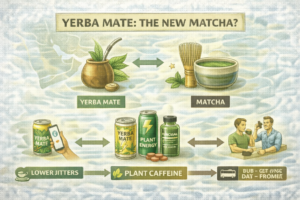
In the last 24 hours, a notable culture-to-commerce crossover appeared in Gulf-region food trend coverage that explicitly frames yerba mate as “the new matcha.” While trend journalism isn’t the same as audited market data, it matters because energy-alternative adoption often starts as the narrative: consumers seek “cleaner energy” with fewer jitters, different rituals, and a health halo. When a product becomes a repeatable social script (“swap your afternoon coffee for mate”), the category can scale quickly.
How alternative energy formats drive adoption
The alternative-energy theme isn’t only about ingredients—it’s about format innovation. Brands are increasingly blending “plant caffeine” positioning with RTD convenience, lower sugar, and functional add-ons (fiber, adaptogens, electrolytes). This is the same wedge that helped cold brew explode: the user isn’t just buying caffeine; they’re buying a lifestyle-friendly delivery system that fits commute, gym, and desk time without preparation.
Consumer psychology behind lower-jitter caffeine
At the same time, alternatives are benefiting from a subtle consumer psychology shift: people want to avoid the “hard edges” of caffeine—jitters, crash, bathroom breaks, teeth staining—without quitting energy entirely. In that context, mate/matcha represent a “softer” story, whether or not the experience is meaningfully different for every person. The commercial takeaway: alternative categories win when they provide a believable reason for control.
Jiggle competes in this same “control” lane—just with a different mechanism. Instead of changing the plant source, Jiggle changes the unit of consumption. Gummies can give users a countable dose when they want a lift, without committing to a full beverage. That’s especially relevant as people experiment with alternatives: many don’t want to buy a new drink format every time; they want a consistent tool they can keep in a bag and use on demand.
The near-term opportunity for the industry is cross-positioning: alternative energy doesn’t have to mean “no coffee.” It can mean “less liquid, more portability, more predictable dosing.” The brands that communicate this clearly—without pseudo-science—will capture consumers looking to redesign their caffeine routine rather than abandon it.