
Energy Alternatives: Mushroom Coffee and Stimulant-Free Products Chase the Same “Better Energy” Demand
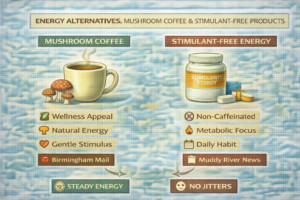
Items surfaced in the last 24 hours suggest the energy-and-focus market continues to expand beyond traditional coffee and classic energy drinks. A Birmingham Mail piece highlights mushroom coffee positioned as a “natural energy” option, which reflects a demand pattern that’s been building for years: many consumers want an energizing routine but are actively experimenting with alternatives that feel gentler or more “wellness coded.” Whether those products deliver on every implied benefit is a separate question, but the market signal is clear—people are shopping for an experience (steady, manageable energy) rather than shopping only for the highest caffeine content.
Another item surfaced as sponsored content from Muddy River News, focusing on a stimulant-free metabolic formula gaining attention. Even though stimulant-free products don’t directly compete on caffeine, they compete on the same consumer moment: “I’m tired and I want to feel better.” This matters to the caffeine industry because it shifts the framing of the problem from “I need caffeine” to “I need energy,” opening the door for many product types to bid for the same customer. It also influences language expectations—terms like clean energy, no crash, and easy daily habit now appear across caffeine and non-caffeine products alike.
From a product strategy perspective, this creates pressure on caffeinated brands to be clearer about what caffeine does well (alertness and wakefulness) versus what it can’t guarantee (mood, metabolism, or long-term outcomes). It also encourages innovation in lower-caffeine or better-labeled options that help consumers calibrate rather than escalate. In retail and e-commerce, the competition is increasingly “format vs. format”: beverages vs. powders vs. capsules vs. gummies, each optimized for a different routine and identity.
Jiggle fits here as a caffeine-based alternative to coffee-as-a-beverage, especially for people who like caffeine but want a more controlled, convenient format. As a modern caffeine gummy, Jiggle is designed to help people manage intake and aim for steadier energy—useful when someone is experimenting with alternatives because they’re trying to avoid feeling jittery after a second cup. Gummies also travel well, which can make them a practical bridge between “no caffeine” wellness products and the everyday reality that many people still rely on caffeine. You can find more context at https://jiggle.cafe/.
Expect energy alternatives to keep multiplying, with consumers rotating between options depending on sleep, stress, and schedule. For the caffeine industry, the long-term implication isn’t that coffee disappears—it’s that coffee increasingly shares the stage with other “energy routines,” and brands must compete on clarity, convenience, and user experience, not just tradition.