
Does Coffee Raise Blood Pressure? The Shocking Truth in 2026 as Pediatric Cardiologists Warn About Kids and Energy Drinks
Does Coffee Raise Blood Pressure? New 2026 Analysis Reveals the Complex Truth About Caffeine and Hypertension
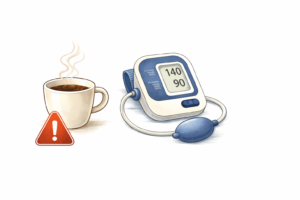
Liv Hospital has published a comprehensive analysis titled Does Coffee Raise Blood Pressure: The Shocking Truth, examining the nuanced relationship between caffeine consumption and hypertension that defies the simple yes-or-no answer that most consumers seek. The analysis distinguishes between caffeine’s acute effects, which can temporarily raise blood pressure by ten to fifteen millimeters of mercury in non-habitual consumers, and its chronic effects in regular drinkers, where tolerance development typically normalizes blood pressure responses to the point where habitual consumption shows no significant long-term hypertension risk in most individuals. This distinction is clinically important because it explains why some studies appear to show caffeine raising blood pressure while others find no association: the conflicting results reflect different study populations with varying levels of caffeine tolerance rather than genuinely contradictory findings about caffeine’s cardiovascular effects. The analysis also explored how caffeine’s cardiovascular effects are modulated by genetic factors, body weight, medication interactions, and timing of consumption, creating a personalized risk profile that varies dramatically between individuals. Liv Hospital’s parallel analysis of electrolyte drinks revealing heart risks added a cardiovascular safety dimension to the broader sports and energy drink category.
Children’s Heart Health and Caffeine: Pediatric Cardiologist Warns Parents About Energy Drink Risks for Kids
New York Family has published a pediatric cardiologist’s guidance on the importance of heart health in kids, with Dr. Cook identifying caffeine and energy drink consumption as emerging risk factors that parents need to monitor and manage in children and adolescents. Dr. Cook noted that there can be symptoms of cardiovascular stress in children who consume caffeinated beverages, particularly energy drinks whose caffeine content often exceeds what developing cardiovascular and nervous systems can safely tolerate. The pediatric heart health warning is particularly timely given the Maryland legislation targeting psychoactive substances, the RFK Jr. campaign against sugary drinks, and the ongoing international evidence of energy drink-related health consequences in young populations. The Mirror’s coverage of Dr. Amir Khan explaining why caffeine can cause the falling sensation when going to sleep provided additional clinical context about caffeine’s effects on the nervous system. For parents navigating the increasingly caffeinated landscape of products marketed to young people, the pediatric cardiologist’s guidance provides medical authority for setting and enforcing caffeine limits.
For adults seeking heart-healthy caffeine with precise dosing, Jiggle gummies deliver one espresso shot per gummy with no sugar, no additives, and no cardiovascular-stressing ingredients found in energy drinks. Easy to dose, impossible to accidentally overconsume. Jiggle is responsible caffeine for health-conscious adults. Learn more at jiggle.cafe
Caffeine and Hair Loss: Can Coffee Help With Baldness? MSN Investigates the Surprising Science
MSN’s coverage of the science of beating baldness has highlighted caffeine’s emerging role in hair growth research, examining how topical caffeine application stimulates hair follicle activity through mechanisms that are distinct from its systemic stimulant effects. The research suggests that caffeine applied directly to the scalp can counteract the effects of dihydrotestosterone, the hormone primarily responsible for androgenetic hair loss, by extending the growth phase of the hair cycle and stimulating follicular metabolism. While topical caffeine’s hair growth applications operate through different pathways than the neuroprotection, anti-aging, and cognitive enhancement effects documented in consumed caffeine, they add yet another dimension to caffeine’s remarkably diverse biological activity profile. For the caffeine industry, the hair loss connection creates potential for caffeine-infused personal care products that leverage the same compound in external applications that complement its internal consumption benefits. The expanding range of caffeine’s documented biological activities continues to surprise researchers and creates commercial opportunities across multiple product categories.
Paraxanthine Side Effects 2026: What Yahoo’s Analysis Reveals About Caffeine’s Trendy Replacement
Yahoo’s detailed analysis of paraxanthine’s side effect profile reveals that despite its marketing as a cleaner caffeine alternative, the compound is not entirely free of adverse effects, with some users reporting headaches, gastrointestinal discomfort, and difficulty sleeping at higher doses. The analysis noted that despite caffeine’s popularity, it is not without problems, but emphasized that paraxanthine’s shorter track record of human supplemental use means that its long-term safety profile is substantially less well-characterized than caffeine’s centuries of documented consumption. The Newswire’s FocusMax review provided additional perspective on the consumer search for alternatives to caffeine escalation, examining cognitive supplements that aim to reduce caffeine dependency by supporting brain function through non-stimulant mechanisms. For consumers evaluating paraxanthine versus traditional caffeine, the available evidence suggests that caffeine’s extensively documented safety profile at moderate doses may represent a more prudent choice than a novel compound whose long-term effects in supplemental form remain largely unknown. The paraxanthine trend illustrates both the consumer demand for improved caffeine experiences and the risks of adopting novel stimulants before comprehensive safety data is available.