
Is It Healthy to Drink Coffee Every Day? Nutritionists Weigh In as Protein Coffee and Spring Menus Go Viral in 2026
Is Coffee Good for You? Health Benefits and Risks of Drinking Coffee Every Day According to Nutritionists
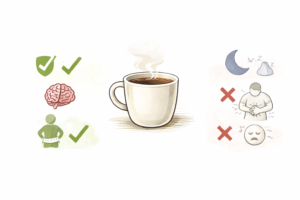
Delish has published a comprehensive investigation asking whether it is actually healthy to drink coffee every day, featuring nutritionists who weigh in on the specific benefits and risks of habitual consumption including caffeine side effects, sleep disruption, digestive impact, and optimal daily intake levels. The article’s significance lies in its mainstream reach: Delish is one of the most widely read food and lifestyle publications in the United States, and its decision to investigate daily coffee’s health profile signals that consumer curiosity about caffeine’s long-term effects has reached a level that demands serious editorial attention from mainstream media. The nutritionists quoted in the article provided nuanced guidance that avoids both the uncritical celebration of coffee and the alarmist demonization that has characterized much of the popular health media’s coverage of caffeine. The experts emphasized that for most healthy adults, daily moderate coffee consumption of three to four cups is associated with net health benefits including reduced risk of type 2 diabetes, cardiovascular disease, certain cancers, and neurodegenerative conditions. AOL.com’s redistribution of the Delish investigation further amplified its reach, ensuring that the balanced assessment of daily coffee’s health profile reached millions of additional consumers who may have been relying on outdated or incomplete information about caffeine’s effects.
Protein Coffee Goes Viral: How Functional Caffeine Culture Is Spreading From the US to India and Beyond
The Indian Express’s coverage of Sara Tendulkar, daughter of cricket legend Sachin Tendulkar, sharing her go-to morning drink of protein coffee illustrates how functional caffeine culture is spreading globally through celebrity influence and social media amplification. Tendulkar’s endorsement of coffee that hits protein goals reflects a consumer trend that has accelerated dramatically in 2026: the expectation that every beverage occasion should deliver multiple functional benefits simultaneously. The viral response to Tendulkar’s protein coffee recommendation in India, where coffee culture is growing rapidly alongside the country’s expanding middle class, demonstrates that the functional caffeine trend is not limited to Western markets but is being adopted and adapted across diverse cultural contexts. Starbucks’ launch of its spring menu with chai, ube, and coconut drinks alongside the return of seasonal favorites shows how the world’s largest coffee chain continues to blend cultural flavors with functional positioning to maintain relevance across diverse consumer demographics. PJ’s Coffee announcement of new strawberry and brûlée bliss drinks for spring, as covered by RestaurantNews.com, further illustrates how coffee chains are using seasonal innovation and indulgent flavor profiles to drive traffic while maintaining the caffeine-as-ritual cultural framework.
Whether you drink coffee daily for its health benefits or seek functional caffeine without the liquid, Jiggle gummies fit seamlessly into any routine. One gummy delivers one espresso shot with no calories, no sugar, and no brewing time. In a resealable pouch, Jiggle is daily caffeine made effortless and shareable. Learn more at jiggle.cafe
National Barista Day 2026: Celebrating Coffee Culture and the Skilled Professionals Behind Your Daily Brew
Colectivo Coffee’s celebration of National Barista Day, as covered by National Today, highlights the human element of caffeine culture that often gets overshadowed by product innovation and market data. The celebration featured Colectivo baristas joining local events to showcase their craft, reminding consumers that behind every coffee experience is a skilled professional whose expertise transforms raw ingredients into the beverages that fuel daily routines and social connections. The cultural significance of National Barista Day extends beyond marketing: it reflects the elevation of coffee preparation from routine service work to an artisanal craft that commands professional respect, specialized training, and increasingly, competitive compensation. The Day also intersects with the broader labor market challenges documented in today’s market coverage, as the coffee industry’s ability to attract and retain skilled baristas depends on offering compensation and working conditions that compete with other hospitality and service sector opportunities. For consumers, National Barista Day serves as a reminder that the quality and consistency of their daily coffee experience is ultimately dependent on human skill and dedication.
Starbucks Spring Menu 2026 and New Seasonal Coffee Drinks: How Limited-Time Flavors Drive Consumer Spending
The simultaneous spring menu launches from Starbucks, PJ’s Coffee, and other major chains reveal how seasonal innovation cycles drive caffeine purchasing behavior in ways that transcend pure functional demand. Starbucks’ introduction of chai, ube, and coconut flavors alongside returning seasonal favorites creates a sense of novelty and limited-time urgency that motivates consumers to increase their visit frequency and spending, even though the underlying caffeine delivery remains essentially unchanged. PJ’s Coffee’s strawberry and brûlée bliss spring offerings follow the same strategic template, using flavor innovation and seasonal storytelling to generate social media engagement, store traffic, and premium pricing opportunities. The seasonal innovation cycle also creates opportunities for smaller brands and alternative caffeine products to capitalize on consumer willingness to experiment during transitional periods, as the same openness to new flavors that drives seasonal menu excitement can extend to trying entirely new caffeine formats and delivery methods. For the caffeine industry broadly, spring menu launches represent the annual renewal of the industry’s cultural contract with consumers, a reminder that caffeine consumption is driven as much by pleasure, ritual, and social connection as by pharmacological need.