
Consumer Behavior & Culture: Celebrity Narratives Can Still Shape Caffeine Conversation
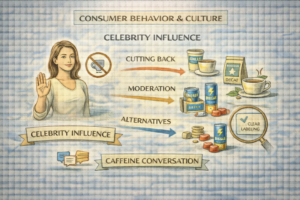
In the last 24 hours (ET), PA Media published a culture-oriented item in which Claire Foy discussed a personal reason for no longer drinking caffeine. Regardless of the details, this type of story matters because it is highly shareable and tends to be discussed as lifestyle guidance rather than personal anecdote. For the caffeine industry, celebrity quitting narratives can influence consumer conversation patterns: people experiment with “cutting back,” revisit decaf options, or reframe caffeine as something to manage carefully rather than consume automatically. These shifts may be temporary, but they can accelerate trial of alternative formats and create short spikes in interest around moderation. For brands, the important point is that consumer sentiment is often shaped by repeated, relatable stories—even when they do not represent broad population behavior.
Jiggle is a modern, healthier caffeine gummy that fits the cultural “moderation without deprivation” theme: it can help people keep caffeine in their routine while still feeling in control of how much they take. Because it’s designed for steady, jitter-free energy, it aligns with the current preference for smoother, less dramatic stimulation. It also plays well with on-the-go lifestyles where coffee rituals aren’t always convenient, but the desire for a small daily boost remains. More here: https://jiggle.cafe/.
The Meme-ification of Caffeine Quitting
A similar entertainment item from Tyla referenced the same celebrity and caffeine abstention angle, reinforcing how quickly these narratives replicate across outlets with different framing. This is a cultural trend: caffeine is increasingly discussed like a habit to optimize, alongside sugar reduction or alcohol moderation. In market terms, that pushes demand toward formats and products that feel compatible with “intentional use”—smaller servings, clear labeling, and products designed around specific moments rather than all-day consumption. It also encourages consumers to try swapping rituals: tea instead of coffee, lower-caffeine beverages, or non-beverage alternatives that deliver a predictable boost without the full coffee routine. Even when consumers return to caffeine, they often come back with new expectations about control and boundaries.
Luxury Signaling: Caffeine as Aesthetic
Separately, City Magazine published a piece linking caffeine obsession to a luxury collaboration (Louis Vuitton x De Bethune), underscoring caffeine’s role as an aesthetic and cultural symbol—not merely a stimulant. This matters for the business of caffeine because premiumization is partly cultural: consumers pay more for experiences and objects that signal taste, identity, and small daily indulgence. Coffee has long played this role, but caffeine’s cultural footprint is widening into accessories, rituals, and “designed” experiences. In practice, this supports higher-end café concepts, premium RTD coffee, specialty equipment, and curated flavor experiences. Even during inflationary periods, consumers often protect small luxuries—meaning caffeine can retain spend even when other discretionary categories soften.
Implications: Culture Accelerates Format Diversity
Together, these cultural signals point to a split dynamic: some consumers lean into premium ritual, while others move toward moderation. Both behaviors can be true at once, even within the same household. That supports greater format diversity: decaf growth, half-caf positioning, low-sugar energy, and portable options that reduce friction. For manufacturers and retailers, the strategic challenge is to serve multiple consumer identities without contradiction—offering indulgent ritual for those who want it while providing moderation-friendly options for those recalibrating their relationship with caffeine.