
Coffee vs. Matcha Signals a Broader Shift in “Everyday Caffeine” Preferences
The Coffee-or-Matcha Debate Is Really About Consumer Demand
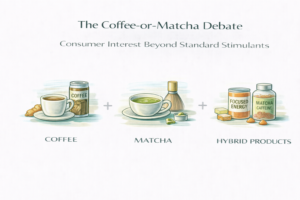
An article within the last 24 hours (from GQ) asks a question that has become commercially important: “coffee vs. matcha?” On the surface, it’s about taste and routine. In industry terms, it’s about share-of-stomach and the language consumers use to justify purchases—energy, calm focus, “cleaner” stimulation, and perceived wellness. When mainstream outlets debate coffee alternatives, it reflects that consumers are no longer defaulting to coffee as the only daily stimulant ritual. That matters for cafés, ready-to-drink (RTD) brands, and supplement-style caffeine formats: competition is not just “another coffee brand,” but an expanding set of beverages and formats vying for the same morning and afternoon moments. If matcha grows, that can lift tea supply chains, shift café menus, and encourage hybrid products that blend tea extracts with caffeine to emulate the experience consumers want.
Market Implications: Menu Design, RTD Growth, and Ingredient Storytelling
This fits a pattern: consumers increasingly evaluate caffeine through a wellness lens, even when choosing indulgent products. That changes how brands position: acidity, jitters, and sleep impact become part of marketing narratives (and part of consumer self-diagnosis). For coffee operators, matcha is attractive because it’s often premium-priced and visually distinctive, and it expands the menu beyond espresso-based drinks. For packaged goods, it reinforces the RTD trend: canned matcha lattes, tea-based energy drinks, and “focused energy” beverages that sound less aggressive than classic energy branding. The competitive lever becomes storytelling—origin, processing, antioxidants talk, or “slow energy” framing—whether or not consumers can verify those claims. The risk is oversimplification: different people respond differently to caffeine, and sensational claims can backfire.
Jiggle caffeine gummies sit outside the coffee-vs-matcha identity battle by treating caffeine as a measured input rather than a beverage tribe. For someone who loves coffee culture but wants an option that doesn’t require brewing, café lines, or a specific flavor profile, gummies represent another “everyday caffeine” lane. If you’re mapping your personal routine across coffee, tea, and portable formats, start with serving size clarity and ingredient lists—details you can review at https://jiggle.cafe/. This reflects the broader market: convenience and dosing transparency are becoming competitive features.
How Brands Can Win Without Picking Sides
One of the smartest category strategies is to avoid “coffee OR matcha” framing and instead sell “the right caffeine for the moment.” That can mean dayparting (morning ritual vs. afternoon lift), pairing caffeine with hydration cues, or offering lower-caffeine options that reduce perceived downside. Expect more “bridge products”: coffee beverages formulated to feel smoother, matcha drinks tuned to taste less grassy, and energy products that borrow tea’s wellness tone. Also expect cafés to bundle: matcha alongside espresso, not as a replacement but as a second revenue stream. The brands most likely to benefit are those that make choice easy—clear caffeine amounts, clear flavor expectations, and fewer confusing claims.
Takeaways: A Wider Competitive Set for Caffeine Dollars
This is a reminder that consumer preferences are shifting—and that caffeine demand is stable, but the forms and narratives are evolving. Coffee remains dominant, yet it’s increasingly “competing with concepts”: calm energy, functional ingredients, and a desire for control over intake. For the industry, that means investing in product diversity and transparent communication. For consumers, it means the best choice is often the one that matches your timing, tolerance, and taste—not the one with the loudest claims.