
Coffee Beverages Market Worth $185.8 Billion in 2026: UN Adopts International Coffee Day as Highlands Coffee Pursues Vietnam IPO
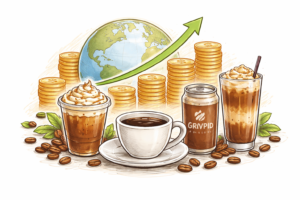
Global Coffee Beverages Market Reaches $185.8 Billion in 2026 With Forecast to Hit $266.7 Billion by 2033
EIN Presswire reports that the global coffee beverages market is worth $185.8 billion in 2026 and is projected to reach $266.7 billion by 2033, driven by premium demand, functional innovation, and the continued expansion of coffee culture across emerging markets. The growth trajectory confirms that the coffee industry is not merely recovering from pandemic disruption but is experiencing structural expansion fueled by the premiumization, functionalization, and cultural penetration trends documented throughout this week’s briefings. Innovation is playing a central role in shaping the future of the coffee beverages industry, with functional coffee products, ready-to-drink formats, and premium single-origin offerings driving the highest growth rates within the overall market. The $266.7 billion 2033 forecast represents a compound annual growth rate that significantly outpaces GDP growth in most markets, confirming coffee’s position as one of the most dynamic and resilient categories in the global food and beverage industry. Westrock Coffee’s Q4 2025 earnings, which beat revenue expectations despite missing EPS targets, illustrate the mixed financial picture for coffee companies navigating the tension between strong demand growth and margin pressure from commodity inflation and supply chain disruption.
UN Officially Adopts International Coffee Day Resolution as Global Coffee Industry Supports Millions of Livelihoods
Vietnam News and Vietnam Plus both report that the United Nations has adopted a resolution officially designating International Coffee Day, recognizing that the global coffee industry supports the livelihoods of millions of households, particularly smallholder farmers, while generating substantial economic activity across producing and consuming nations. Farming Online’s coverage emphasized the FAO’s welcome of the UN resolution, noting that international recognition of coffee’s economic and cultural importance creates a platform for advocacy around sustainable farming practices, fair pricing, and climate adaptation that the industry urgently needs. Global Coffee Report’s confirmation that Highlands Coffee is pursuing a Vietnam IPO as its store count approaches 1,000 provides a concrete illustration of the growth trajectory that the UN resolution celebrates, as Vietnamese coffee companies expand both domestically and internationally on the strength of the country’s position as the world’s largest robusta producer. Caffè Nero’s entry into the Washington DC market, as reported by the Washington Business Journal amid what it describes as coffee industry churn, demonstrates that even as the global market grows, individual markets remain fiercely competitive with new entrants constantly challenging established players for market share and consumer loyalty.
In a $185.8 billion global coffee market racing toward $266.7 billion, Jiggle caffeine gummies carve out a unique position: the simplicity of one espresso shot per gummy in the most portable format possible. No brewing, no supply chain complexity, just clean caffeine gummies. Learn more at jiggle.cafe
Young Korean Consumers Swap Sweet Sodas for Low-Sugar Decaf ‘Healthy Pleasures’ in Major Cultural Shift
Korea JoongAng Daily reports that young Korean consumers are swapping sweet sodas and coffee for low-sugar, decaf healthy pleasures, documenting a cultural shift that mirrors the broader global trend toward health-conscious beverage choices among Gen Z and millennial demographics. Health-conscious young consumers at Korean companies are choosing functional, lower-caffeine beverages that align with their wellness values, representing a potential leading indicator for how caffeine consumption patterns may evolve in other developed Asian markets. The Korean trend is particularly significant because South Korea has one of the world’s most sophisticated and competitive coffee cultures, meaning that shifts in Korean consumer preferences often signal broader changes that subsequently appear in other markets. For the caffeine industry, the Korean decaf and low-sugar trend does not represent a rejection of caffeine but rather a demand for more controlled, intentional caffeine consumption that prioritizes quality and wellness alignment over volume and stimulant intensity.
Inflation Likely to Spike in Coming Months: How Rising Coffee Prices Fit Into the Broader Economic Picture
Greenwich Time reports that inflation is likely to spike in coming months after a tame February reading, with coffee identified among the categories where consumers can expect continued price pressure throughout 2026. Brazil’s basic food basket prices soaring in capital cities, with coffee as a significant contributor, illustrates how the commodity pressures documented in earlier briefings are translating into real household budget impacts across the world’s largest coffee-producing nation. The inflation outlook creates a challenging environment for the coffee industry, as companies must balance maintaining consumer demand against the margin pressure created by rising input costs, logistics expenses, and labor costs that are all trending upward simultaneously.