
Caffeine Reduces Dementia Risk by 18 Percent: Landmark 43-Year Study Reshapes Brain Health Science
43-Year Longitudinal Study Confirms Caffeine Reduces Dementia Risk by 18 Percent
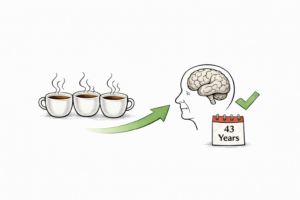
A comprehensive study spanning 43 years of longitudinal data has confirmed that regular caffeine consumption is associated with an 18 percent reduction in dementia risk, according to detailed reporting from 112.ua. The findings add substantial weight to a growing body of evidence suggesting that lifestyle factors, particularly dietary habits maintained consistently over decades, can meaningfully influence the trajectory of cognitive health and neurodegenerative disease. The study’s extraordinary duration distinguishes it from shorter-term investigations that have shown similar trends but lacked the temporal depth to confirm whether caffeine’s protective effects persist across the full arc of adult aging. Researchers tracked participants from mid-adulthood through their senior years, documenting caffeine intake at multiple intervals and correlating consumption patterns with dementia diagnosis rates. The 18 percent risk reduction figure represents a clinically meaningful effect size, particularly given the current absence of effective pharmaceutical treatments for dementia prevention, positioning caffeine as one of the most accessible and well-tolerated neuroprotective compounds available to the general population. The study’s implications extend beyond individual health decisions to inform public health strategy, as even modest reductions in dementia incidence across large populations translate to enormous savings in healthcare costs and caregiver burden.
Spectrum News Reports Caffeinated Drinks Contain Bioactive Compounds That Shield the Brain From Decline
Spectrum News has reported on new research demonstrating that caffeinated beverages contain bioactive ingredients that actively reduce inflammation and cellular damage while protecting the brain from cognitive decline. The coverage emphasized that caffeine’s neuroprotective effects operate through multiple biochemical pathways simultaneously, including adenosine receptor antagonism, anti-inflammatory cytokine suppression, and the stimulation of brain-derived neurotrophic factor that supports neuronal survival and plasticity. However, Spectrum News’s reporting also noted a critical caveat that health professionals increasingly emphasize: while moderate caffeine consumption appears protective, the benefits are contingent on dosage consistency and delivery format, with excessive consumption or poorly timed intake potentially undermining the very cognitive functions that moderate use protects. Los Angeles Downtown News published a complementary analysis titled Coffee for Cognition that explored how coffee specifically contributes to mental clarity through its unique combination of caffeine, chlorogenic acids, and polyphenols that work synergistically to enhance both acute cognitive performance and long-term brain health. LinkedIn’s Dr. Kunal Bahrani posted a widely shared analysis asserting that the next time someone claims coffee is harmful, this body of evidence provides a compelling scientific rebuttal, reflecting the growing confidence among medical professionals in caffeine’s neuroprotective credentials.
For consumers who want caffeine’s scientifically validated brain-protective benefits delivered with precision and consistency, Jiggle caffeine gummies offer exactly one espresso shot per gummy with no variability between doses. Jiggle makes neuroprotective caffeine intake as simple and trackable as taking a daily vitamin. Learn more at jiggle.cafe
USA Today Weighs In: Science Pores Over the Coffee Versus Tea Debate for Brain, Heart, and Metabolic Health
USA Today’s in-depth analysis, distributed through PressReader, has examined the scientific evidence comparing coffee and tea across brain health, cardiovascular function, metabolism, and long-term disease prevention. The report concluded that the healthiest choice between coffee and tea depends on individual factors including caffeine sensitivity, existing health conditions, and specific wellness goals, rejecting the simplistic framework that positions one beverage as universally superior to the other. The analysis noted that coffee delivers higher concentrations of caffeine and antioxidants per serving, making it a more potent acute stimulant and potentially stronger neuroprotective agent, while tea’s combination of L-theanine, catechins, and lower caffeine doses produces a calmer alertness profile with documented benefits for gut health and cardiovascular function. The report emphasized that caffeine remains coffee’s most recognized bioactive component but cautioned that focusing exclusively on caffeine content overlooks the hundreds of other compounds in both coffee and tea that contribute to their distinct health profiles. For consumers navigating the coffee-versus-tea question, the scientific consensus emerging from this analysis favors a personalized approach that considers the full spectrum of each beverage’s effects rather than defaulting to whichever contains more caffeine.
Caffeine Timing and Hormonal Health: Why Drinking Coffee on an Empty Stomach May Undermine Its Benefits
SHEfinds’ report on the five worst breakfast habits for hormonal health has placed caffeine consumption on an empty stomach prominently among its warnings, citing endocrinologists who explain that drinking coffee before eating can trigger a cortisol spike that disrupts the body’s natural hormonal rhythm and impairs blood sugar regulation for the remainder of the morning. The report quoted health experts stating that caffeine consumed without food amplifies the stress hormone response, creating a cascade of effects including increased anxiety, impaired insulin sensitivity, and disrupted circadian signaling that can compound throughout the day. Medianews.az’s concurrent coverage of the unexpected risks of exceeding caffeine norms reinforced this timing-dependent perspective, noting that the same dose of caffeine can produce dramatically different physiological effects depending on whether it is consumed with food, on an empty stomach, or at different points in the circadian cycle. The NAU Review’s campus health sleep hygiene guidance further connected caffeine timing to academic performance, warning students that caffeine and blue light exposure are among the primary factors disrupting sleep quality and, consequently, the cognitive consolidation processes that are essential for learning and memory formation. The convergence of hormonal health research, circadian science, and campus wellness guidance creates a consistent message: when you consume caffeine matters as much as how much you consume.