
Caffeine Pouches Raise Concerns in Massachusetts Schools as Energy Drink Blood Cancer Link and Teen Anxiety Studies Intensify Regulatory Pressure
Caffeine Pouches in Schools 2026: Massachusetts Raises Alarm as Students Use Nicotine-Style Caffeine Products in Class
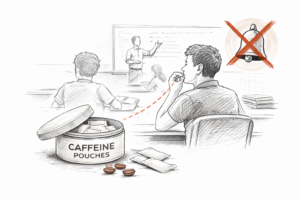
The Worcester Telegram reports that caffeine pouches are raising concerns in Central Massachusetts schools, as students use nicotine-pouch-style caffeine delivery products during class in ways that are difficult for teachers to detect or regulate. The products, which are designed for discreet oral use and deliver caffeine through buccal absorption, represent a regulatory challenge because they occupy a grey zone between food products, dietary supplements, and drug delivery devices that existing school policies were not designed to address. The school concerns echo the broader regulatory trend documented throughout this week’s briefings, where novel caffeine delivery formats are outpacing the regulatory frameworks designed to govern traditional beverages. The Massachusetts situation is particularly concerning because the products’ resemblance to nicotine pouches creates confusion about what students are actually consuming, and because the discreet format makes it virtually impossible for schools to monitor or control usage without invasive enforcement measures.
Common Energy Drink Ingredient Linked to Blood Cancer Risk in New Study: What Consumers Need to Know
MSN has published a study claiming that a common ingredient found in popular energy drinks could increase the risk of blood cancers, representing one of the most alarming health findings to emerge from energy drink research in recent months. The study’s identification of a specific ingredient rather than caffeine itself as the cancer risk factor is an important distinction, as it suggests that the health risks of energy drinks may be attributable to their supplementary ingredients rather than their caffeine content, potentially creating regulatory pressure to reformulate products rather than restrict caffeine broadly. Food & Wine’s research finding that teens who regularly drink sugary beverages face a 34 percent higher risk of anxiety adds another data point to the mounting evidence that energy drink consumption among young people produces measurable psychological harm alongside the physical health risks. Health.com’s coverage of daily habits that cause blood sugar spikes identified morning lattes and energy drinks as contributors, connecting caffeine’s metabolic effects to the diabetes risk that sugary caffeinated beverages compound through their sugar content.
As caffeine pouches alarm schools and energy drink ingredients face cancer scrutiny, Jiggle caffeine gummies offer a transparent, adult-oriented caffeine product with no novel ingredients, no sugar, and no regulatory ambiguity. One gummy equals one espresso shot of traditional, well-studied caffeine. Jiggle is caffeine you can trust. Learn more at jiggle.cafe
Caffeine Found in Sharks: ScienceDirect Study Reveals Pharmaceuticals Contaminating Marine Ecosystems
ScienceDirect has published a study documenting that caffeine, cocaine, and painkillers have been detected in sharks from The Bahamas, revealing the extent to which pharmaceuticals including caffeine are contaminating marine ecosystems through human waste, agricultural runoff, and industrial discharge. The finding has regulatory implications because it demonstrates that humanity’s massive caffeine consumption is producing environmental externalities that extend far beyond individual health effects into measurable contamination of oceanic food chains. While the concentration of caffeine detected in sharks is unlikely to produce acute health effects in the animals, the study’s significance lies in its confirmation that caffeine’s environmental footprint is larger and more pervasive than most consumers or regulators have appreciated. For the caffeine industry, the environmental contamination data adds a sustainability dimension to the regulatory conversation that could eventually influence packaging requirements, waste treatment standards, and corporate responsibility frameworks.
University of Kentucky Nutritionist Addresses Healthy Caffeine Limits as Midterm Season Drives Student Overconsumption
The University of Kentucky’s UKNow platform has published nutritionist guidance on foods to power students through midterms, with specific attention to the healthy limits of caffeine consumption during the high-stress academic period when students are most likely to overconsume caffeinated products. The nutritionist addressed whether there is a healthy amount or limit of caffeine, noting that while moderate consumption can enhance focus and academic performance, the pattern of escalating caffeine intake during exam periods often produces counterproductive effects, including anxiety, impaired sleep that undermines memory consolidation, and gastrointestinal distress that compounds exam-period stress. WFMZ’s coverage of mocktails and energy drinks fueling March Madness watch parties provided cultural context for how caffeine consumption patterns are shaped by seasonal events and social occasions, with sugar-free energy cans and premium caffeine products replacing alcohol at viewing parties across the country.