
CAFFEINE MARKET & INDUSTRY The Fourth Wave of Coffee Is Here: Technology, Premiumization, and Rising Prices Reshape the Industry
Brewbird’s High-Tech Fourth Wave Machine Signals a New Era of Workplace Coffee Culture
A major industry story breaking on February 20, 2026, centers on Brewbird, a Bay Area startup that has secured $32 million in Series A funding to reshape how corporate offices consume coffee. Covered by The Mercury News, Brewbird’s machine represents what industry observers are calling the ‘fourth wave’ of coffee — following the commodity era, the specialty movement, and the artisanal third wave. Brewbird’s device uses whole coffee beans packed into fully compostable pods encoded with QR codes, which the machine reads to calibrate grind coarseness, water temperature, and brew time for each roast. The result is barista-quality pour-over coffee delivered in 60 seconds. With machines priced at approximately $10,000 each, the technology is currently deployed exclusively at corporate campuses including Meta, LinkedIn, Gap, SAP, Sephora, and Palo Alto Networks — signaling a clear pivot toward the premium workplace experience segment.
Coffee Inflation and Location-Based Pricing Reshape Consumer Spending Globally
The global coffee retail landscape is experiencing significant pricing pressure in 2026, with Starbucks Japan implementing a multi-tier pricing model that has drawn considerable consumer attention. Beginning February 18, 2026, Starbucks Japan began charging 11 yen per takeout bag as part of an environmental initiative, while simultaneously rolling out location-based pricing at roughly 30% of its 1,991 Japanese stores. In premium urban areas and airports, prices are rising by an average of 4 to 6 percent, with the company citing higher rent and operating costs in Tokyo’s 23 wards and major airport locations. According to SoraNews24’s coverage, this pricing restructuring reflects a broader global trend in which coffee chains are using dynamic, location-sensitive pricing to manage margin pressure from rising supply chain costs and commodity prices — a model familiar in markets like the United States, where Starbucks has already raised prices by 3 to 6 percent on select items in 2026.
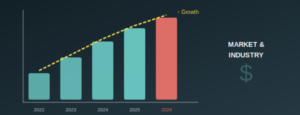
The market is clearly moving toward precision, convenience, and premium-tier caffeine experiences — which is exactly the space Jiggle Gummies occupy. Available at jiggle.cafe for $18.99 per 12-gummy pouch, Jiggle offers a product that mirrors the ‘fourth wave’ philosophy: no waste, no spills, no preparation, just a precisely dosed, high-quality caffeine experience in a resealable, pocket-sized pack that fits modern life better than a $10,000 office machine ever could.
BevNET’s 2026 Flavor and Ingredient Trends Report Points to Functional Protein Integration in Coffee
BevNET’s annual Flavor and Ingredient Trends 2026 report, published February 19, 2026, highlights a pivotal shift in how consumers — particularly Gen Z and Millennials — are engaging with caffeinated products. Energy commands 56% of beverage dollars among this cohort, dwarfing traditional snack categories. The report’s most significant insight for the coffee industry is the accelerating push to integrate functional ingredients — including protein, adaptogens, nootropics, and fiber — into coffee and energy formats. SPINS data cited in the report shows that 56% of Millennials and Gen Z follow high-protein diets, driving demand for protein-enhanced coffee, dairy-boosted lattes, and functional coffee drinks that go beyond simple caffeination. The report forecasts that this trend will significantly reshape product development pipelines for major coffee brands and functional beverage startups alike throughout 2026 and beyond.
Premium Single-Serve Innovation and Data-Driven Coffee Commerce Attracting Venture Capital
The Brewbird story is emblematic of a broader venture capital trend: sophisticated investors are backing technology-enabled premiumization of everyday caffeine consumption. Sequoia Capital and Kyber Knight are among Brewbird’s backers, with additional investment from the former CEO of Peet’s Coffee — a signal that industry veterans see enormous disruption potential in the sector. Founder Mickey Du has positioned the company around a data advantage: every QR code-scanned pod generates usage data that Brewbird aggregates and sells back to growers, roasters, and industry analysts, creating a recurring revenue stream beyond hardware. Brewbird’s own research shows that companies with its machines have observed measurable increases in office badge-swipe data — meaning premium workplace coffee is functioning as a legitimate return-to-office incentive. As the company scales its pod manufacturing facility in Belmont, California, it is planning a consumer launch to complement its B2B corporate channel.