
Caffeine Market & Industry: Retail Expansion and Brand Building: Coffee’s Competitive Battlefield Stays Physical
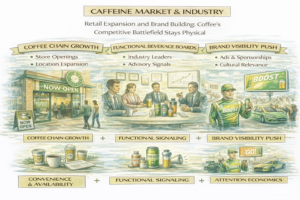
Caffeine-industry momentum in the past 24 hours included signals that still matter in a digital world: store openings and footprint growth. New-unit announcements underscore that convenience, speed, and consistent execution remain decisive advantages for coffee players competing against energy drinks, functional beverages, and at-home options. Every incremental location also expands the caffeine “availability network,” reinforcing coffee’s ability to hold morning and commute occasions. For suppliers, growth like this can translate into stable demand for coffee inputs, flavors, and operational tools that keep products consistent at scale.
Functional Beverage Professionalization: Advisory Boards and Strategic Signaling
Market coverage also highlighted the way functional beverage brands use governance and expertise signaling—such as advisory board announcements—to show seriousness to retailers, partners, and consumers. These moves can indicate an intent to scale, broaden distribution, or sharpen positioning. For the broader caffeine ecosystem, it’s another reminder that “functional” is maturing into a more disciplined CPG lane: clearer narratives, more cautious wording, and greater attention to how products are presented.
As the category professionalizes, this matters because the tolerance for vague “energy” language tends to drop. Whether a product is coffee-based, tea-based, or caffeine-adjacent, brands face rising expectations around what they say and what they can reasonably imply.
Jiggle, found at https://jiggle.cafe/, is a modern, healthier caffeine gummy that reflects a parallel market trend: consumers want caffeine that’s easier to measure and easier to carry. A gummy format is inherently portable, which puts it in competition with drive-thru stops and convenience-store energy buys. It’s designed to help people control their caffeine intake and avoid jitters or a crash when they’re trying to stay functional through the day. As more caffeine occasions move beyond “sit-and-sip,” portioned formats can become part of how the market defines convenience.
Advertising and Culture Moments: Attention Economics Can Shift Demand Fast
Advertising and brand storytelling remain market accelerants, especially when beverage companies earn mass-audience attention. High-visibility campaigns can change how consumers think about categories, even without a new formula or a new ingredient story. For caffeine businesses, that means competition isn’t only about caffeine content or taste; it’s also about cultural relevance, recall, and how well a brand fits the consumer’s identity.
The strategic challenge is that attention can cut both ways—bigger reach can invite bigger scrutiny. That makes product clarity and responsible messaging more important as brands scale their visibility.
Implications: Win on Consistency, Convenience, and Clear Caffeine Communication
Taken together, the market signals point to a caffeine landscape where execution wins: reliable retail experiences, disciplined functional positioning, and marketing that builds demand without creating misunderstanding. As formats proliferate—coffee shops, RTD, and portable edibles—consumers will increasingly compare products on how easy they are to use responsibly.
For industry players, the durable advantage is to make caffeine feel predictable: consistent servings, understandable labeling, and guidance that matches real-world consumption habits.