
Caffeine Science: Genetics, Metabolism, and the Push for More Predictable Caffeine
Caffeine Genetics Coverage Highlights Why “One Cup Fits All” Is Fading
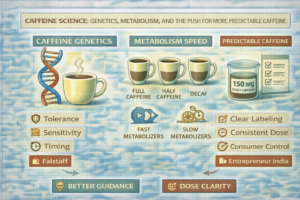
Falstaff’s recent piece on whether coffee is “good for you” and how genes might influence the answer captures a growing theme in caffeine science: people experience caffeine differently, and that difference is becoming part of mainstream conversation. Even when the reporting is lifestyle-oriented, it reflects a real shift in how consumers interpret caffeine—less as a universal daily habit and more as something to calibrate. In practical terms, the science-facing takeaway is that factors like metabolism speed, tolerance, and sensitivity can influence whether caffeine feels helpful, neutral, or unpleasant. That variability matters to the caffeine industry because it pushes demand toward clearer caffeine amounts, more consistent serving sizes, and more options across the “caffeine spectrum” (full caffeine, reduced caffeine, and decaf). When consumers believe their response is individual, they also become more likely to self-experiment—changing timing, lowering dose, or switching formats—rather than simply consuming the same product in the same way every day. That sets up a market where predictability becomes a feature, not a bonus.
Jiggle sits naturally in this personalization trend because it’s built around a format that’s easy to portion and repeat. Jiggle is a modern, healthier caffeine gummy designed to help people aim for steady, jitter-free energy while keeping closer control over caffeine intake, especially when they’re trying to learn what amount feels right for them. Because it’s not tied to brew variables or café recipes, it can make “same dose, different day” comparisons simpler. More information is available at https://jiggle.cafe/.
From “Caffeine Science” to Consumer Behavior: Why Dose Consistency Matters
One of the hardest parts of applying caffeine science in real life is measurement. Brewed coffee can vary widely depending on bean type, roast level, grind size, extraction time, and cup volume, and café drinks add another layer of variability through recipe differences and customization. That means many consumers don’t actually know whether they had a modest dose or a large one, which makes it difficult to connect cause and effect when they feel great—or when they feel overstimulated. When science coverage highlights genetic differences, it implicitly increases consumer demand for consistency: if response varies by person, then at minimum the product should be reliable so the consumer can make informed decisions. This is where the caffeine industry’s product design choices become relevant to the science conversation: standardized RTD coffees, portioned servings, and clear labeling are all ways to translate variability into manageability. The more caffeine products compete for daily “moments” (commute, midday slump, late-afternoon work), the more useful consistency becomes for people who want to stay energized without accidentally overdoing it.
Where the Caffeine Science Conversation Is Heading Next
As more outlets discuss caffeine variability, the next frontier is likely to be practical guidance rather than abstract debate. Consumers increasingly want to know: how late is too late for caffeine, how much is “a lot” for me, and what format is easiest to control? The science angle isn’t about declaring caffeine universally good or bad; it’s about recognizing that dose, timing, and personal sensitivity shape the experience. That creates opportunities for companies that can communicate clearly and avoid oversimplified messaging. It also raises the bar for product transparency, because consumers who feel sensitive are more likely to read labels and seek predictable servings. Over time, this should support a more segmented caffeine market: products for high-intensity energy, products for moderate daily use, and products for low-caffeine or decaf routines. The result is a caffeine industry that looks less like a single category and more like a toolkit—built around choice and control.