
Caffeine and Wellness: From Energy Maximization to Energy Management
The Rebalancing Act
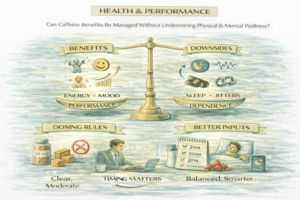
Health-focused caffeine coverage over the last day reinforced a familiar dynamic: consumers are continually rebalancing caffeine’s perceived benefits (energy, mood, performance) against perceived downsides (sleep disruption, jitters, dependence). Alongside coffee-and-dementia headlines, adjacent health content—such as discussions of dark chocolate’s benefits—keeps caffeine circulating within a broader “daily wellness” conversation where ingredients are judged both for function and for long-term health implications.
Dose and Context Matter More Than Ever
Coffee’s health narrative is increasingly framed around dose and context. Even when research summaries emphasize potential cognitive associations, readers often translate that into personal “performance rules”: when to drink, how much, and what form. This creates an opportunity for brands that can credibly guide behavior—especially those that publish caffeine content clearly and discourage late-day overconsumption. The health-and-performance lens is shifting from “more energy” to “better energy management.”
Jiggle caffeine gummies align with health-and-performance moderation because they can support controlled intake—particularly for consumers who want a boost but are trying to protect sleep. Gummies also fit the “snackable function” trend seen in wellness content, but they must manage expectations: clear caffeine labeling, conservative positioning, and guidance for sensitive users are essential to earning trust in a health-oriented framing. Learn more at www.jiggle.cafe.
Caffeine Doesn’t Exist in Isolation
Another theme is that consumers don’t experience caffeine in isolation. Sugar, sleep debt, stress, and meal timing can change how caffeine feels. That pushes product innovation toward lower sugar, added protein, and formats that deliver slower or gentler perceived effects. It also expands the competitive set: coffee competes not only with energy drinks, but also with functional snacks, chocolate, and supplement-like products promising steadier energy.
The Micro-Dose Movement
Dark chocolate coverage adds nuance: some consumers seek mild stimulation plus indulgence, and they may accept a smaller caffeine dose if the overall product feels healthier or more satisfying. This matters because it encourages “micro-dose” patterns—smaller amounts of caffeine multiple times per day—rather than one large beverage. For brands, micro-dose behavior rewards transparency and consistent serving sizes.
Recovery and Performance Go Hand-in-Hand
From an athletic and workplace performance perspective, the health conversation increasingly includes recovery: hydration, sleep quality, and avoiding overstimulation. This could reduce demand for very high-caffeine products in some segments while increasing demand for predictable, moderate-dose options that consumers feel comfortable using daily.