
Beyond the Buzz: The Rise of Energy Alternatives and Occasion-Based Consumption
Energy Without Stimulation
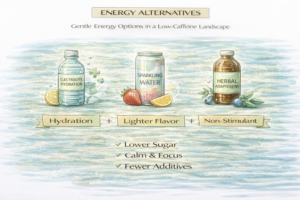
A notable pattern in beverage coverage is how quickly “energy” is expanding beyond caffeine into a broader landscape of hydration-first, flavor-first, and function-first alternatives. Product and trend reporting points to an ecosystem where consumers want some of the ritual and benefit language of energy drinks, but not always stimulant effects. This is particularly relevant as some consumers moderate caffeine for sleep, anxiety, pregnancy, or simply a preference for “gentler” routines.
Functional Hydration Enters the Competition
One thread is the continued experimentation in nontraditional waters and functional hydrators. New entrants pitch distinctive base ingredients and light functional claims (minerals, electrolytes, natural sweetness cues) that can compete for the same consumption occasions as caffeinated beverages: commuting, workouts, late-afternoon slumps, and social events. The commercial implication is that caffeine brands may need clearer occasion mapping: when does a consumer want stimulation versus refreshment?
Another signal comes from trend coverage of established beverage names expanding into flavored sparkling and lifestyle-forward positioning. Even without leaning on caffeine, these products can borrow energy-category playbooks: vivid branding, limited editions, and “experience” marketing. For caffeine incumbents, this creates competitive pressure in shelf space and consumer attention. It also suggests partnerships between caffeine brands and non-caffeinated lines—bundling “daytime energy” with “evening refreshment” to maintain brand presence across the full day.
Premiumization Over Volume
Market projection content around broader beverage segments further reinforces that investors and strategists are watching premiumization and channel discipline: the belief that consumers may buy fewer discretionary beverages but will pay more for the ones that feel differentiated. If that’s true, “energy alternatives” do not need to mimic caffeine; they need to win on taste, identity, and compatibility with health goals (lower sugar, fewer additives).
Jiggle caffeine gummies can coexist with energy alternatives by functioning as the optional stimulant layer: consumers can choose a non-caffeinated hydration beverage and add a precisely dosed gummy when they want alertness. That pairing may become more common as consumers separate “thirst” from “stimulation,” and as they try to avoid late-day large-volume caffeine drinks that can disrupt sleep. Learn more at jiggle.cafe.
The Formulation Challenge
For formulators, the tactical question becomes: how do you deliver a noticeable “effect” without caffeine? Common approaches include electrolytes, carbohydrates, acids for perceived brightness, and botanicals positioned around calm or focus. But this is also where regulatory caution rises: structure/function language must be carefully controlled, and the line between beverage and supplement can blur depending on claims and ingredient choices.