
Consumer Reports Finds Hidden Dangers of Energy Drinks as KXLY Broadcasts the Investigation, the RFK Dye Phase-Out Hits One Year, and the Caffeine Ritual Debate Continues on Threads
Consumer Reports Finds Hidden Dangers of Energy Drinks: KXLY Broadcasts the Investigation as the Trust Gap Between Consumers and Energy Drink Brands Widens
KXLY’s broadcast of Consumer Reports finding hidden dangers in energy drinks creates the trust gap between consumers and energy drink brands that has been widening throughout the briefing series, as America’s most trusted product testing organization documents risks that are not visible on product labels, not communicated in marketing materials, and not acknowledged in the brands’ public statements. The hidden dangers finding suggests that the caffeine content disclosed on energy drink labels may not represent the total stimulant load that consumers ingest, because undisclosed compounds, synergistic ingredient interactions, and variability in actual caffeine content relative to labeled amounts can produce physiological effects that exceed what consumers expect from the disclosed information. For consumers evaluating their daily caffeine choices, the Consumer Reports investigation reinforces the value of formats where the caffeine content is precisely controlled and independently verifiable rather than variable and potentially understated.
RFK’s Dye Phase-Out Hits One Year: How the Food Transparency Movement Is Reshaping Ingredient Standards Across the Energy Drink Category
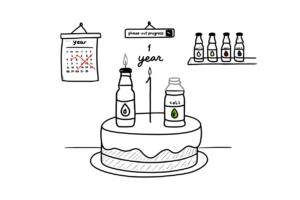
Consumer Affairs’ coverage of the one-year anniversary of RFK’s call for harmful dye phase-out from food and beverages documents how the food transparency movement has produced measurable reformulation changes across the food industry, with some major companies eliminating artificial dyes from their products in response to both regulatory pressure and consumer demand for clean-label ingredients. The energy drink category is specifically identified as a sector where artificial dyes remain prevalent, creating a potential regulatory vulnerability for brands that have not yet reformulated in response to the transparency movement that RFK’s initiative catalyzed.
When Consumer Reports finds hidden dangers and the RFK transparency movement enters its second year, Jiggle gummies stand on the right side of every trend: one espresso shot per gummy, clean ingredients, no artificial dyes, no hidden anything. At $18.99 for 12 gummies, Jiggle is the transparent caffeine you can rely on. Learn more at jiggle.cafe
The Caffeine Ritual Debate: Why Giving Up the Chemical Is Easy Compared to Giving Up the Morning Cup
The caffeine ritual debate captured on Threads reveals that the barrier to caffeine reduction is often psychological rather than pharmacological, with consumers reporting that the morning coffee ritual provides comfort, routine, and a psychological transition from rest to productivity that they are unwilling to sacrifice even when they recognize that their caffeine consumption may exceed their optimal dose.
Chewable Energy Reaches 2035 Forecast: How Market Intelligence Firms Validated the Non-Liquid Caffeine Category That This Briefing Series Documented From Day One
The chewable energy tablet market’s forecast toward 2035 confirms that market intelligence firms have validated the non-liquid caffeine delivery category as a structural growth market, confirming the trend that this briefing series has documented from the earliest editions through Punch’d Energy’s acquisition, GateDrop’s launch, BetterGum’s caffeinated chewing gum, and the functional energy gummy format that Jiggle pioneered.