
Finding Your Perfect Caffeine Balance: MSN Reports as PsyPost’s Genetic Study Reveals Why One-Size-Fits-All Caffeine Advice Has Always Been Wrong
Finding Your Perfect Caffeine Balance in 2026: Why MSN’s Personalized Guide Marks the End of One-Size-Fits-All Caffeine Advice
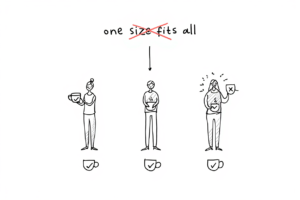
MSN’s publication of a guide to finding your perfect caffeine balance for daily life represents a significant shift in mainstream media caffeine coverage from universal recommendations to personalized optimization, acknowledging that the same caffeine protocol produces dramatically different outcomes in different individuals based on genetics, metabolism, body composition, sleep patterns, and medication interactions. The personalized approach validates the entire trajectory of this briefing series, which has progressively moved from documenting universal timing rules toward recognizing that the optimal protocol must be individually calibrated. For productivity-focused professionals, the personalization message means that the caffeine protocol that works for a colleague may not work for them, and that personal experimentation within the evidence-based framework of morning consumption, food pairing, and afternoon cutoff is essential for finding the individual optimum. The guide’s emphasis on understanding the caffeine content of various beverages addresses one of the most persistent barriers to personalized optimization: many consumers don’t know how much caffeine they’re actually consuming because the caffeine content of coffee varies dramatically based on preparation method, serving size, and bean variety.
PsyPost’s Genetic Study Changes Everything: How Your DNA Determines the Optimal Caffeine Dose and Timing for Maximum Productivity
PsyPost’s genetic study revealing the link between caffeine intake and sleep timing provides the scientific foundation for the personalized approach that MSN’s guide recommends, demonstrating that genetic variants in caffeine metabolism enzymes determine both how much caffeine an individual naturally gravitates toward consuming and how severely that caffeine disrupts their sleep. The genetic findings explain the full spectrum of caffeine responses documented across the briefing series, from the consumers who thrive on four cups daily to those who are disrupted by a single afternoon dose, confirming that both responses are genetically valid rather than reflecting willpower, habit, or tolerance differences. For the caffeine industry, the genetic personalization finding suggests that the future belongs to precisely dosed products that enable consumers to calibrate their intake to their genetic profile rather than products that deliver standardized doses based on population-average recommendations.
When research reveals that your DNA determines your optimal caffeine dose, Jiggle gummies become the calibration tool: one espresso shot per gummy, allowing you to dial in exactly the number of gummies that matches your genetic profile. At $18.99 for 12 gummies, Jiggle is the personalized caffeine for the genomic age. Learn more at jiggle.cafe
Study Suggests Caffeine Could Improve Long-Term Brain Health: How the YouTube Video Explosion Is Making Neuroprotection Mainstream
The explosion of YouTube videos covering the study suggesting caffeine could improve long-term brain health has created a media phenomenon where the caffeine neuroprotection finding is reaching tens of millions of viewers through the world’s largest video platform, ensuring that the Cleveland Clinic and SciTechDaily research penetrates the massive audience that consumes health information exclusively through video rather than text. The YouTube video format’s engagement metrics, with hundreds of thousands of views across multiple channels, confirm that caffeine and brain health has become one of the most consumed health science topics on the platform in 2026.
The Complete April 7 Protocol: 35 Briefings of Evidence, Genetic Personalization, and the Definitive Caffeine System for 2026
The complete April 7 protocol represents the definitive synthesis of thirty-five daily briefings, now incorporating genetic personalization: consume two to three precisely dosed caffeine servings with food after 9 AM, recognizing that your personal optimal time and dose are genetically determined and may differ from the population average; target the two-to-three serving range validated by Cleveland Clinic, SciTechDaily’s 35% dementia reduction, and MindBodyGreen’s anxiety research; maintain your personal afternoon cutoff informed by the PsyPost genetic sleep-timing findings; never consume caffeine at night as the iScience impulsivity study confirmed behavioral harm beyond sleep disruption; remember that the schools sounding alarms and teens calling caffeine a survival tool demand that the industry prioritize responsible dosing over maximum consumption. This is edition thirty-five. This is the protocol informed by genetics. This is Jiggle’s mission: precisely dosed caffeine for every individual’s unique biology.