
Health Alert Issued to Anyone Who Drinks Coffee Before 9 AM: The Mirror, Irish Mirror, and UK Media Sound the Cortisol Warning
Health Alert: Stop Drinking Coffee Before 9 AM in 2026, UK Pharmacists Warn About Cortisol Disruption and Long-Term Health Risks
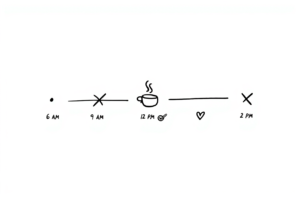
The Mirror has issued a health alert to anyone who drinks coffee before 9 AM, with pharmacist Rojina Shams Nateri of Roseway Labs explaining that cortisol is the body’s wake-up hormone and that consuming caffeine before this hormone has completed its function disrupts the natural cortisol cycle in ways that can undermine long-term metabolic and adrenal health. The alert has been redistributed across Irish Mirror, Manchester Evening News, North Wales Live, Wales Online, and multiple other UK regional outlets, creating the most widespread mainstream media coverage of the morning caffeine timing recommendation since the Huberman protocol first went viral. The pharmacist’s guidance that consumers should wait until after 9 AM to consume their first caffeine aligns with but is slightly more conservative than the ninety-minute delay protocol, suggesting that the medical and pharmaceutical community is converging on a morning caffeine timing recommendation that delays consumption until the cortisol awakening response has peaked and begun declining. The alert’s framing as a health warning rather than a lifestyle suggestion carries regulatory weight because it positions pre-9 AM coffee consumption as a potentially harmful behavior rather than a suboptimal habit, potentially influencing how healthcare providers counsel patients about caffeine timing.
Can Coffee Ice Cream Keep You Up at Night? USA Today Investigates How Hidden Caffeine Sources Affect Your Sleep
USA Today has published an investigation asking whether coffee ice cream can keep you up at night, examining how hidden caffeine sources in food products affect sleep quality for consumers who may be unknowingly consuming caffeine during evening hours. The article documents the caffeine content of ice cream, chocolate, and other foods that contain meaningful amounts of caffeine without being marketed as caffeinated products, helping consumers understand that their total daily caffeine exposure extends beyond the beverages they deliberately choose. The 112 analysis of what’s really in your energy drink, examining caffeine and sugar levels across popular brands, reinforces the transparency theme by documenting how energy drink labeling often fails to communicate the full caffeine picture. AOL’s coverage of energy drink warning signs indicating consumers have had too much provides the symptomatic guidance that helps consumers recognize when their total caffeine intake from all sources has exceeded their personal tolerance.
When pharmacists issue health alerts about pre-9 AM coffee and USA Today reveals hidden caffeine in ice cream, precise dosing and timing become non-negotiable. Jiggle caffeine gummies deliver exactly one espresso shot per gummy at the time you choose, with zero hidden caffeine surprises. Jiggle is transparent caffeine for the timing-aware consumer. Learn more at jiggle.cafe.
Apollo Hospital Cardiologist Repeats: No Caffeine After 2 PM for Heart Health as the Message Continues to Resonate
The Apollo Hospital cardiologist’s four sleeping habits for good heart health, with no caffeine after 2 PM as the primary recommendation, continues to generate coverage and engagement across international media, confirming that the message is resonating with consumers who are seeking authoritative medical guidance on caffeine timing. The persistence of the Apollo Hospital story across multiple news cycles suggests that the no-caffeine-after-2-PM recommendation is being adopted by a significant consumer segment as a personal health rule, potentially influencing millions of afternoon caffeine purchasing decisions.
Everyday Habits Like Caffeine That Worsen Anxiety and Phobia Symptoms: MSN Reports on the Mental Health Connection
MSN’s coverage of everyday habits like caffeine that worsen anxiety and phobia symptoms documents how habitual caffeine overconsumption can amplify anxiety disorders and phobia responses in susceptible individuals, adding psychiatric symptom management to the growing list of health dimensions where caffeine consumption patterns make a clinically meaningful difference. The anxiety-phobia connection is particularly relevant for the estimated forty million Americans living with anxiety disorders, many of whom may be unknowingly exacerbating their symptoms through caffeine consumption habits they consider harmless.