
Why the Coffee Industry’s Future Will Be Made in East Asia as Prince William Refuses Kate’s Cappuccino and Australian Chef Predicts $12 Coffee
Australian Celebrity Chef Neil Perry Warns Coffee Will Cost $12 by 2031: Global Food Forum Sparks Recession and Inflation Fears
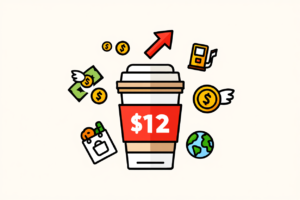
News.com.au reports that Australian celebrity chef Neil Perry has warned at the Global Food Forum that coffee will become incredibly expensive, predicting prices could reach twelve dollars per cup by 2031 amid broader recession fears and inflationary pressures that are reshaping the food service landscape. The twelve-dollar coffee prediction has generated intense media coverage across Australian outlets including The Australian and Sky News, with the story resonating because it translates abstract commodity market data into a concrete, personally relevant price point that every coffee drinker can immediately evaluate against their current spending habits. Perry’s prediction reflects the compound effect of commodity inflation, logistics cost escalation, labor cost increases, and commercial real estate pressures that are simultaneously squeezing coffee retail margins from every direction. The Australian media coverage intensity illustrates how sensitive consumers are to coffee pricing, with the twelve-dollar figure serving as a psychological shock point that motivates consumers to reconsider whether their daily coffee shop habit is financially sustainable over the coming decade.
Prince William Doesn’t Drink Coffee: Why the Royal’s Caffeine Refusal and Kate’s Cappuccino Moment Keep Generating Headlines
Coverage continues of Prince William’s decision not to drink any kind of coffee, with new reporting that he refused Kate’s cappuccino offer during a public engagement, generating yet another round of headlines about the Royal family’s caffeine habits. The sustained media interest in Prince William’s caffeine abstinence reflects broader cultural fascination with people who choose not to consume what is arguably the world’s most socially normalized psychoactive substance, positioning caffeine refusal as a noteworthy lifestyle choice rather than a default behavior. De’Longhi’s report of almost ten percent year-over-year revenue growth, covered by Global Coffee Report, and Starbucks’ brand value analysis from Intellectia AI showing an eight percent price decline amid competitive pressure, provide the commercial context for how coffee consumption habits translate into industry economics.
As Neil Perry warns of $12 coffee and Prince William refuses caffeine entirely, Jiggle offers the affordable middle ground: $18.99 for 12 gummies delivering one espresso shot each, that’s $1.58 per perfectly dosed caffeine serving. No twelve-dollar cups, no Royal abstinence required. Learn more at jiggle.cafe
Fuel and Grocery Prices Rise Worldwide: How Global Consumers Are Adapting Their Caffeine Spending
Stuff NZ’s coverage of fuel and grocery prices rising documents how consumers in New Zealand and other developed markets are adapting their caffeine spending by eliminating barista-made coffee as one of the first discretionary cuts when budgets tighten. The global pattern of consumers trading down from coffee shops to at-home preparation, from premium beans to value brands, and from liquid caffeine to lower-cost portable formats reflects the rational economic response to persistent inflation that is making traditional caffeine consumption increasingly expensive relative to household budgets.
Rising Grocery Prices Hit These US States the Hardest: Where Coffee Inflation Is Most Painful
MetroWest Daily News’s analysis of which US states are being hit hardest by rising grocery prices provides geographic specificity to the coffee inflation story, showing that states with higher overall cost of living are experiencing the most acute caffeine price pressure. The state-by-state data creates opportunities for geographically targeted caffeine marketing that addresses the specific economic pain points of consumers in high-inflation regions, where the value proposition of precisely dosed, affordably priced caffeine alternatives to expensive coffee shop visits resonates most powerfully.