
The ‘Daylife’ Wellness Movement Creates Market Growth Opportunities as Snack Trends 2026 and Beverage Innovation Reshape Consumer Habits
The ‘Daylife’ Wellness Movement 2026: How All-Day Health Optimization Is Reshaping When and How Consumers Drink Caffeine
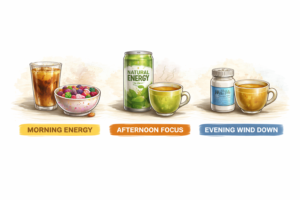
New Hope Network has identified the daylife wellness movement as a key market growth opportunity in 2026, documenting how consumers are increasingly organizing their entire day around health optimization touchpoints that include specific caffeine timing, functional nutrition at each meal, and evening wind-down rituals that protect sleep quality. The daylife framework represents an evolution beyond the morning wellness routine trend, extending intentional health behavior across all waking hours and positioning caffeine management as a through-line that connects morning energy, afternoon focus, and evening recovery. This behavioral shift has enormous implications for the caffeine industry because it means consumers are evaluating their caffeine choices not in isolation but as part of a comprehensive daily system where each consumption decision affects the outcomes of subsequent decisions throughout the day. The daylife perspective explains why caffeine timing, half-life awareness, and afternoon cutoff compliance have become mainstream consumer concerns rather than niche biohacker practices, as consumers who are optimizing their entire day naturally recognize that caffeine timing is one of the most impactful variables in their daily wellness equation.
Snack Trends 2026: Global Market Innovation Shows Protein and Functional Ingredients Dominating Consumer Choices
Innova Market Insights’ analysis of snack trends in 2026 reveals that protein and functional ingredients are dominating global consumer choices across both food and beverage categories, with innovation focused on delivering wellness benefits through formats that consumers find convenient and enjoyable. The analysis confirms that functional positioning has moved from a marketing strategy to a consumer expectation, with products that cannot articulate a specific health benefit increasingly struggling to compete for shelf space and consumer attention. Food Business News’s beverage innovation slideshow documented how Dunkin’ is tapping into energy drink trends and functional positioning across its product line, while BevNET.com’s coverage of new protein products from Koia, Remedy, and Everyday Dose demonstrates the category’s innovation velocity.
The daylife wellness movement means your caffeine choice is part of a whole-day health system. Jiggle caffeine gummies fit perfectly: precise morning dosing, easy afternoon cutoff compliance, zero interference with your evening routine. Jiggle is designed for the daylife-optimized consumer. Learn more at jiggle.cafe
Monster Energy Fuels 2026’s Energy Drink Boom: How the Category Leader Maintains Dominance Amid Health Competition
Ad-hoc-news.de reports that Monster Energy leads in fueling 2026’s energy drink boom, maintaining its position as the category’s dominant player despite the proliferation of health-positioned competitors that have captured significant media attention and consumer interest among younger demographics. Monster’s continued leadership demonstrates that the traditional energy drink format retains enormous commercial appeal even as functional alternatives grow, suggesting that the energy drink market is expanding rather than cannibalizing, with health-conscious consumers adding functional products to the market rather than replacing their Monster purchases with alternatives.
Low-Cost Korean Coffee Brands Turn to Snacks for Market Survival as Competition Intensifies
MSN’s coverage of low-cost Korean coffee brands turning to snacks for market survival reveals the competitive pressure that is forcing coffee chains to diversify beyond beverages to maintain profitability in an increasingly crowded market. Compose Coffee, one of South Korea’s leading low-cost brands, has begun introducing food items including gochujang-flavored offerings that leverage Korea’s culinary identity to differentiate in a market where coffee quality and price have largely converged among budget-oriented competitors. The Korean snack diversification strategy offers a preview of how the global coffee retail market may evolve as competition intensifies and price pressure from coffee inflation forces operators to seek margin from non-beverage categories.