
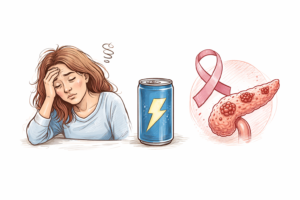
Woman’s Constant Fatigue and Energy Drink Dependency Was the First Sign of Pancreatic Cancer: Why Unexplained Tiredness Deserves Medical Attention
Energy Drink Dependency as a Cancer Warning Sign: TODAY Show Reports on Woman Whose Fatigue Led to Pancreatic Cancer Diagnosis
The TODAY Show has published a deeply reported story about a 54-year-old woman whose constant fatigue and daily energy drink dependency turned out to be the first sign of pancreatic cancer, providing a sobering reminder that persistent tiredness requiring caffeinated supplements to manage may indicate underlying medical conditions that demand professional evaluation rather than additional stimulants. The woman’s story illustrates a pattern that healthcare providers increasingly recognize: patients who gradually increase their caffeine consumption to compensate for progressive fatigue may be masking symptoms of serious illness, delaying diagnosis of conditions where early detection significantly improves outcomes. The story’s publication on the TODAY Show ensures that it reaches one of the largest mainstream audiences in American media, potentially prompting millions of viewers who rely on energy drinks to manage persistent fatigue to consider whether their tiredness might warrant medical investigation rather than another can of their preferred stimulant. For the caffeine industry, this story serves as an important reminder that responsible caffeine marketing should acknowledge the difference between normal tiredness that caffeine appropriately addresses and pathological fatigue that caffeine merely masks.
Pre-Workout Supplements Cut Sleep in Half for Young Users: ANI News Reports on Alarming New Study Findings
ANI News reports on a study finding that pre-workout supplements may cut sleep in half for young users, providing some of the most alarming data yet published on how high-caffeine fitness products are affecting the health of the demographic that consumes them most aggressively. The study’s finding that a single serving of popular pre-workout supplements can reduce sleep duration by approximately fifty percent represents a dramatic effect size that should concern consumers, parents, healthcare providers, and regulators. The sleep reduction finding is particularly significant because the young adults who are the primary consumers of pre-workout supplements are also in the life stage where chronic sleep deprivation produces the most significant long-term health consequences, including impaired brain development, increased mental health risk, metabolic disruption, and compromised immune function.
Jiggle caffeine gummies provide clean energy for adults who want performance support without the extreme doses found in pre-workout supplements. One espresso shot per gummy is enough to enhance a workout without destroying your sleep. Jiggle delivers workout-ready caffeine that respects your recovery. Learn more at jiggle.cafe
Can Pregnant Women Drink Coffee? Cleveland Clinic’s 2026 Updated Guide to Safe Caffeine Levels During Pregnancy
Cleveland Clinic Health Essentials’ updated pregnancy caffeine guidance represents the most authoritative clinical resource currently available for expecting mothers navigating caffeine consumption decisions, providing specific milligram limits, source-by-source caffeine content comparisons, and risk assessments for different consumption levels. The guidance notes that while moderate caffeine consumption of up to 200 milligrams daily is generally considered acceptable during pregnancy, individual risk factors including pre-existing conditions, medication interactions, and caffeine sensitivity variation mean that some women may need to reduce their intake below even this conservative threshold. The Cleveland Clinic’s emphasis on energy drinks matching or exceeding coffee in caffeine content while carrying additional ingredient risks is particularly important for younger pregnant women who may be more likely to consume energy drinks than traditional coffee.
Caffeine Overdose Symptoms: Headaches and Restlessness May Signal You’re Consuming Too Much
The caffeine risks and overdose alert flagged reports of headaches and restlessness as potential caffeine overdose symptoms, encouraging tea and coffee lovers to recognize that these common complaints may indicate excessive consumption rather than unrelated health issues. The guidance is particularly timely in the context of daylight saving time adjustment, when consumers who increase their caffeine intake to compensate for fatigue may inadvertently push their consumption beyond their individual tolerance threshold. Understanding caffeine overdose symptoms empowers consumers to self-regulate their intake based on physiological feedback rather than relying solely on milligram counting, providing a practical complement to the numerical guidelines that healthcare providers recommend.