
Functional Confectionery Is Booming in 2026: How Caffeine Gummies, Energy Chews, and Wellness Candy Are Reshaping How We Snack
The Rise of Functional Confectionery 2026: Caffeine Gummies, Energy Chews, and Wellness Candy Disrupt Traditional Snacking
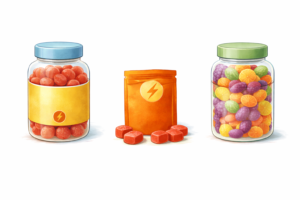
Global Travel Retail’s coverage of the rise of functional confectionery documents how caffeine gummies, energy chews, vitamin-infused candy, and other wellness-positioned confectionery products are reshaping the snacking landscape by delivering functional benefits through formats that consumers associate with pleasure rather than medicine. The article notes that functional confectionery brings together new ingredients and added benefits in familiar, approachable formats that lower the barrier to entry for consumers who might not seek out supplements or functional beverages but readily purchase candy and gum. This trend has enormous implications for the caffeine industry because it positions gummies and chews as legitimate caffeine delivery vehicles that compete directly with traditional coffee and energy drinks, offering advantages in portability, dosing precision, and consumption convenience that liquid formats cannot match. The functional confectionery trend is being amplified by airport and travel retail channels where portability and convenience are particularly valued, creating high-visibility showcase environments that introduce new consumer segments to caffeine gummies and energy chews during travel experiences. NutraIngredients.com’s trends discussion with The Vitamin Shoppe confirmed that functional drinks and confectionery together represent categories with tremendous innovation momentum, as retailers expand shelf space for products that blur the boundary between food, supplement, and treat.
PepsiCo Targets Health Trends: How Gatorade Lower Sugar and Poppi Signal the Mainstream Shift Toward Functional Beverages
Simply Wall St’s coverage of PepsiCo targeting health trends with Gatorade Lower Sugar and Poppi launches signals that the functional beverage mainstream shift has reached the largest consumer packaged goods companies in the world. PepsiCo’s dual strategy of reformulating existing brands like Gatorade with lower sugar profiles while acquiring health-positioned brands like Poppi reflects a corporate recognition that the health and wellness trend is not a niche movement but a fundamental restructuring of consumer beverage preferences. The Grocer’s category report on the big dairy drink shake-up documented how even traditional dairy brands are pivoting toward functional positioning, with kefir drinks addressing specific health needs entering mainstream retail distribution. D2C Insider Pulse’s coverage of Peping raising capital to scale its functional beverage brand in India illustrates how the functional trend is creating investment opportunities in emerging markets where rising health consciousness and digital commerce infrastructure are enabling direct-to-consumer wellness brands to reach consumers without traditional retail distribution. The apple cider vinegar market outlook from Vocal Media further demonstrates how traditional wellness ingredients are being repositioned as functional beverage components.
The rise of functional confectionery confirms what Jiggle has pioneered: caffeine belongs in your pocket, not just in your cup. Each Jiggle gummy delivers one espresso shot in a format that the functional confectionery trend proves consumers love. Resealable pouch, 12 gummies, $18.99, the original caffeine gummy built for the functional snacking revolution. Learn more at jiggle.cafe
Caffeine Half-Life Calculator Goes Viral: Why Consumers Are Tracking Exactly How Long Caffeine Stays in Their System
A caffeine half-life calculator from caffeinemath.com has gone viral, reflecting growing consumer interest in understanding exactly how long caffeine stays in their system and how residual caffeine from morning and afternoon consumption affects nighttime sleep quality. The calculator allows users to input their specific beverage consumption times and quantities and receive a personalized visualization of their caffeine levels throughout the day, making the abstract concept of caffeine pharmacokinetics tangible and actionable for everyday consumers. The viral adoption of caffeine tracking tools signals a broader cultural shift toward quantified self-optimization of caffeine consumption, where consumers treat their intake as a system to be measured and optimized rather than a habit to be maintained without reflection. The RBC-Ukraine coverage of a doctor revealing the exact time to have your last coffee so you don’t ruin your sleep provided complementary content that converts caffeine half-life science into a simple, actionable recommendation that consumers can implement immediately. For the caffeine industry, the growing consumer appetite for dosing precision and timing optimization creates commercial opportunities for products that deliver consistent, precisely measured caffeine doses.
Spring Forward 2026: Easy Daylight Saving Time Hacks to Protect Your Sleep and Manage Your Caffeine Intake
PIX11’s reporting on easy daylight saving time hacks to protect your sleep ahead of this weekend’s March 8 spring forward transition includes specific guidance to curb alcohol and caffeine consumption in the days surrounding the time change, reinforcing the annual intersection of sleep science and caffeine consumer behavior that affects millions of Americans. The guidance reflects the medical consensus that the spring clock change creates a brief but measurable period of elevated health risk, particularly for caffeine-dependent individuals whose sleep quality is already compromised by habitual stimulant use. Doctor Amir Khan’s explanation in The Mirror of why people feel like they’re falling when going to sleep, a phenomenon linked to caffeine’s interference with the transition between wakefulness and sleep, provided a compelling neurological illustration of how caffeine affects the sleep onset process in ways that most consumers never consciously associate with their afternoon coffee. For consumers approaching this weekend’s time change, the convergence of caffeine half-life awareness, sleep hack guidance, and caffeine timing science creates an unusually information-rich environment for making evidence-based decisions about caffeine consumption during the transition.