
RFK Jr. Challenges Dunkin’ and Starbucks by Name on CBS News as Maryland Moves to Regulate Psychoactive Substances in 2026
RFK Jr. vs Dunkin’ and Starbucks: Health Secretary Escalates Campaign Against Sugary Coffee Drinks on CBS News
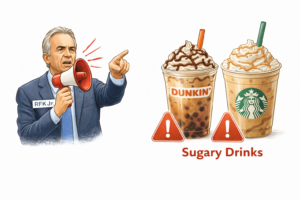
CBS News reports that RFK Jr. has directly challenged Dunkin’ and Starbucks over the safety of their sugary drinks, escalating the MAHA movement’s campaign against ultra-processed beverages from general statements to specific brand confrontations. The CBS News report quoted Kennedy’s position that ultra-processed foods and beverages are bad for you regardless of who happens to sell them, framing the issue as a public health concern that transcends any individual brand while clearly targeting the two largest coffee chains in America. This direct naming of Dunkin’ and Starbucks by the sitting Health Secretary represents a significant escalation in the regulatory pressure on coffee chains whose most profitable menu items often contain sugar levels that far exceed daily recommended limits in a single serving. The CBS News coverage ensures that Kennedy’s challenge reaches the broadest possible mainstream audience, creating consumer awareness and potential reputational pressure that could influence purchasing behavior even before any formal regulatory action is taken. For the specialty coffee industry, the shift from general MAHA messaging to specific brand callouts signals that regulatory and political pressure on sugary coffee drinks is intensifying rather than fading, and that chains may need to accelerate their reformulation and menu diversification strategies to get ahead of potential mandated changes.
Maryland First Lady Testifies for New Law to Regulate Psychoactive Substances Including Caffeinated Products
Maryland’s First Lady Dawn Moore has testified before the Senate Finance Committee in support of legislation to protect public health from certain psychoactive substances, with the bill enforcing consumer protection measures that could have implications for caffeinated and energy drink products. The legislation, sponsored by Senator Antonio Hayes, targets dangerous side effects associated with psychoactive substances, creating a legal framework that establishes state-level authority over products whose stimulant or psychoactive properties may pose health risks to consumers. While the Maryland bill’s primary targets appear to be novel psychoactive compounds rather than traditional caffeine, the legislative framework it creates could potentially be applied to high-caffeine products if regulators determine that their stimulant properties meet the bill’s definitions of health risk. The National Post’s investigation of Canadian pediatric medicine researchers who allegedly fabricated data about caffeine’s effects on children adds an international dimension to the regulatory landscape, raising questions about the integrity of the evidence base that informs caffeine regulations affecting minors. WMC Memphis’s continued bottom line reporting on how much caffeine is really in your coffee maintains consumer awareness of labeling accuracy issues that strengthen the case for regulatory standards requiring verified caffeine content disclosure.
As RFK Jr. targets sugary coffee chains and states move to regulate psychoactive substances, Jiggle caffeine gummies sit comfortably outside the crosshairs: low sugar, zero ultra-processed ingredients, just one espresso shot of traditional caffeine per gummy. Jiggle is the clean caffeine choice in a regulatory storm. Learn more at jiggle.cafe
Night Shift Workers Face Elevated Heart Risk as Cardiologists Warn About Caffeine and Cardiovascular Genetic Risk
The New Indian Express reports that cardiologists are warning that midnight shift work could be rewriting genetic cardiovascular risk, with caffeine consumption identified as a compounding factor that amplifies the heart health dangers of nocturnal work schedules. The warning has particular relevance for the millions of shift workers who rely heavily on caffeine to maintain alertness during overnight hours, as the combination of circadian disruption, chronic sleep deficit, and habitual high-dose caffeine consumption creates a cardiovascular risk profile that may exceed what any individual factor would produce alone. The research suggests that caffeine consumed during nighttime hours, when the cardiovascular system is programmed for rest and recovery, produces different and potentially more harmful effects than the same dose consumed during daytime hours when the body is naturally in an active state. Liv Hospital’s analysis of whether coffee raises blood pressure provided complementary clinical context about caffeine’s acute and chronic cardiovascular effects, emphasizing that understanding caffeine’s impact on blood pressure requires distinguishing between temporary spikes after consumption and long-term outcomes associated with habitual use. For shift workers and their employers, the cardiologists’ warning underscores the importance of managing caffeine consumption patterns rather than relying on unlimited stimulant access to compensate for circadian misalignment.
Canadian Researchers Allegedly Fabricated Caffeine Data Affecting Children: What It Means for Pediatric Regulations
The National Post’s investigation of Canadian pediatric medicine researchers who allegedly fabricated data about caffeine’s effects on children raises serious concerns about the integrity of the evidence base that informs how caffeine products are regulated for minors. If the allegations are confirmed, they could undermine specific studies that have been cited in regulatory proposals to restrict caffeine marketing and sales to children and adolescents, potentially creating a gap in the scientific foundation for pediatric caffeine regulations at a time when youth energy drink consumption is growing rapidly. The fabrication allegations do not negate the broader body of evidence supporting caffeine restrictions for children, which includes studies from multiple independent research groups across many countries, but they do provide ammunition for industry groups that oppose pediatric caffeine regulations and may slow or complicate legislative efforts to protect young consumers. For the caffeine industry, the research integrity scandal underscores the importance of basing regulatory compliance and marketing decisions on the full weight of evidence rather than individual studies that may later be retracted or questioned.