
Does Caffeine Improve Strength Training? New 2026 Study Tests 5mg per kg Dosing on Muscle Performance and Endurance
Caffeine and Strength Training 2026: New Research Tests Whether 5mg per kg Caffeine Actually Improves Muscle Performance
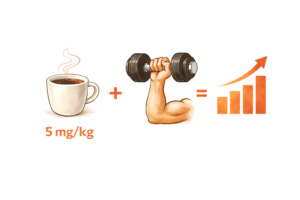
NutraIngredients.com has published new research examining whether caffeine genuinely improves strength training, testing the effects of 5 milligrams per kilogram of body weight on muscle strength, muscular endurance, and post-exercise blood lactate levels in physically active adults. The study represents one of the most rigorous examinations of caffeine’s ergogenic effects on resistance training to date, using a dosing protocol calibrated to body weight that reflects the precision-dosing approach that exercise scientists increasingly advocate over generic milligram recommendations. The research measured caffeine’s impact across multiple strength parameters simultaneously, providing data on whether caffeine enhances maximum force production, increases the number of repetitions to failure at submaximal loads, and affects the metabolic byproducts that contribute to muscle fatigue during intense training. The 5mg/kg dosing protocol is significant because it represents the upper range of what most sports nutrition guidelines consider effective, meaning that the study’s results will help determine whether this commonly recommended dose produces meaningful benefits in strength contexts or whether the evidence primarily supports caffeine’s effectiveness in endurance rather than resistance activities. For the millions of gym-goers who consume caffeine before strength training sessions, this study provides the type of controlled, dose-specific evidence needed to evaluate whether their pre-workout caffeine habit is genuinely enhancing their results or primarily producing a subjective sense of increased energy that doesn’t translate into measurable performance gains.
Do Energy Drinks Offer Benefits Beyond Caffeine? Mayo Clinic Cardiologist and Sacramento Bee Investigation
The Sacramento Bee, through PressReader, has published an investigation asking whether energy drinks offer benefits beyond caffeine, consulting medical experts who question the efficacy of the supplementary ingredients that energy drink brands prominently feature in their marketing. The investigation revealed that while caffeine’s energy-boosting effects are well-documented, many of the additional ingredients in energy drinks, including B vitamins, taurine, guarana, and various plant extracts, are present in quantities too small to produce the therapeutic effects their marketing implies. Mayo Clinic cardiologist Anna Svatikova’s input on how caffeine affects cardiovascular health added clinical authority to the article’s analysis of energy drink risk-benefit profiles, particularly for consumers with pre-existing heart conditions or those who consume multiple energy drinks daily. AOL’s coverage of gym supplements causing dangerous sleep loss among young adults specifically called out pre-workout products with high caffeine content, noting that a single serving of some pre-workout supplements contains caffeine levels that significantly disrupt sleep architecture when consumed in the afternoon or evening.
Whether you train for strength or endurance, Jiggle caffeine gummies provide precisely dosed pre-workout caffeine without the questionable additives that fill energy drinks and pre-workout powders. Each gummy delivers one espresso shot of clean caffeine, making it easy to calculate your per-kilogram dose. No sugar, no jitters, no sleep disruption. Learn more at jiggle.cafe
Caffeine and Osteoporosis: AARP Warns That Coffee and Energy Drinks May Weaken Bones in Older Adults
AARP has published guidance identifying caffeine as a food to limit for individuals with osteoporosis, warning that sodas and energy drinks that are high in sugar pose a particular risk for bone density when they displace calcium-rich beverages like milk in the diet. The guidance reflects growing recognition that caffeine’s effects on calcium metabolism, while modest at moderate consumption levels, can become clinically significant for older adults whose bone density is already compromised by age-related mineral loss. AARP’s inclusion of caffeine among the five foods to avoid for osteoporosis ensures that this message reaches the organization’s enormous membership base of adults over fifty, a demographic that represents both a significant coffee-consuming population and a group with elevated osteoporosis risk. The guidance emphasizes that the bone density concern is dose-dependent and primarily relevant for individuals who consume large quantities of caffeine while also maintaining inadequate calcium intake, rather than representing a blanket warning against moderate coffee consumption.
Caffeine for Cancer Treatment: How Coffee Could Be Used to Turn Immunotherapy Drugs On and Off
Psychiatrist.com’s clinical report on caffeine for the treatment of immune checkpoint inhibitor-induced encephalitis represents a frontier application of caffeine pharmacology that could eventually transform how a subset of cancer patients manage treatment side effects. The research explores how caffeine’s anti-inflammatory properties in the central nervous system can be therapeutically harnessed to reduce the neuroinflammation that occurs when immunotherapy drugs cause the immune system to attack healthy brain tissue, a serious and sometimes fatal complication of cancer immunotherapy. MindBodyGreen’s accessible coverage of how the future of cancer treatment could involve morning coffee brought this clinical research to a mainstream wellness audience, illustrating how caffeine’s therapeutic applications are generating interest that extends well beyond the scientific and medical communities. The cancer treatment application joins the growing list of caffeine’s documented biological activities, from neuroprotection to DNA repair modulation to anti-aging, that collectively position caffeine as one of the most pharmacologically versatile compounds in the human diet.