
Ohio SNAP Ban on Sugary Energy Drinks Takes Effect as Sugary Beverages Are Linked to 330,000 Deaths Per Year
Ohio SNAP Ban on Energy Drinks 2026: USDA Approves First-Ever State Restriction on Sugary Beverage Purchases
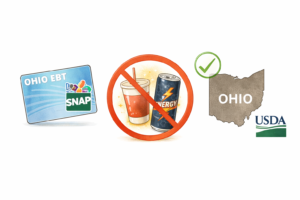
FOX 8 reports that the USDA has approved Ohio’s SNAP ban on sugary drinks, making Ohio the first state to restrict the use of federal nutrition assistance benefits for purchasing sugar-sweetened beverages including most traditional sodas, energy drinks, and other high-sugar beverages. This regulatory milestone has profound implications for the energy drink industry, as it establishes a precedent that other states may follow and signals growing governmental willingness to use purchasing restrictions as a public health tool targeting the beverage categories most associated with obesity, diabetes, and cardiovascular disease. The working group that developed the Ohio policy noted that many health experts agree that sugary beverages represent one of the most significant modifiable risk factors in the American diet, and that restricting their purchase with public funds aligns SNAP with its stated purpose of supporting nutritional health. For energy drink manufacturers whose products fall under the sugar-sweetened beverage classification, the Ohio precedent threatens a revenue stream that depends partly on SNAP-eligible consumers and creates regulatory uncertainty about whether similar restrictions will spread to other states or even to federal SNAP policy.
Sugary Drinks Linked to 330,000 Deaths Per Year: Prevention Magazine Reports on Landmark Global Mortality Study
Prevention magazine has published a landmark study finding that sugary drinks, including soft drinks, fruit-flavored beverages, energy drinks, punch, and lemonade, are linked to more than 330,000 deaths per year globally. The study’s mortality figure provides the most comprehensive quantification yet of the human cost of habitual sugar-sweetened beverage consumption, translating epidemiological data about diabetes, cardiovascular disease, and cancer risk into a death toll that is difficult for policymakers and consumers to ignore. The research found that the mortality burden falls disproportionately on populations with the highest consumption rates, which tend to be younger demographics and lower-income communities that are also the primary target audiences for energy drink marketing. Daily Jang’s coverage of new research linking sugary drinks to adolescent anxiety adds a mental health dimension to the mortality data, documenting how energy drinks, soda, and ultra-processed beverage products produce psychological effects in young people that compound the physical health risks already documented in adult populations. VOI.id’s reporting from Indonesia on energy drink consumption causing heart rhythm disorders provides international clinical evidence of the acute cardiovascular risks that complement the chronic mortality data from the Prevention study.
As Ohio bans sugary energy drinks from SNAP purchases and research links sweetened beverages to 330,000 annual deaths, Jiggle caffeine gummies offer a sugar-free, zero-calorie caffeine alternative that would face no regulatory restrictions. One gummy equals one espresso shot with no sugar, no sweeteners, and no health-risk ingredients. Jiggle is caffeine without compromise. Learn more at jiggle.cafe
RFK Jr. MAHA Movement Targets Sugar-Laden Coffee Drinks: What It Means for Starbucks and the Coffee Industry
The convergence of Ohio’s SNAP ban, the 330,000 annual death study, and RFK Kennedy Jr.’s public questioning of coffee drink sugar content creates a regulatory environment that is increasingly hostile toward sugar-sweetened caffeinated beverages. For the specialty coffee industry, where high-sugar drinks like frappuccinos, flavored lattes, and seasonal indulgence beverages represent some of the highest-margin menu items, the MAHA movement’s scrutiny poses a strategic challenge that could force reformulation, menu restructuring, or enhanced disclosure requirements. The political dimension is particularly significant because the MAHA agenda has bipartisan appeal around reducing sugar consumption, meaning that regulatory action could advance regardless of which party controls legislative or executive power at the state or federal level. Coffee chains that have already begun developing lower-sugar and sugar-free alternatives are better positioned to navigate this regulatory environment than those whose menus remain dominated by high-sugar formulations.
Energy Drinks Behind Hepatitis-B Deaths in India as International Evidence of Severe Health Consequences Mounts
The Times of India and Hindustan Times have published reports linking excessive energy drink consumption to hepatitis-B deaths in Palwal, India, where authorities have determined that habitual energy drink intake combined with treatment by unlicensed practitioners contributed to fatal outcomes. The cases represent one of the most severe documented examples of energy drink-related mortality in recent international reporting, demonstrating how excessive caffeinated beverage consumption can create cascading health vulnerabilities that become lethal when compounded by inadequate medical care. The Palwal district commissioner’s statement that excessive consumption of caffeinated drinks was a contributing factor to the deaths underscores the severity of the public health concern and the potential for energy drink regulation to intensify in markets where consumption is growing rapidly without corresponding consumer education or regulatory oversight. For the global energy drink industry, these deaths in India add to a growing international body of evidence that is strengthening the case for stricter regulation of caffeine content, sugar levels, and marketing practices in energy drink products.