
Irish Startup Takes on Energy Drinks With Amazonian Superleaf as Sabrina Carpenter Fuels the Matcha Trend in 2026
Amazonian Superleaf Energy Drink: Irish Startup Challenges Red Bull and Monster With Plant-Based Clean Energy
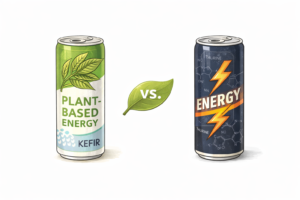
The Irish Times reports that an Irish startup is taking on the energy drink establishment with a product powered by an Amazonian superleaf, positioning itself as a cleaner, more sustainable alternative to the synthetic formulations that dominate the energy drink category. The company’s founder described a strategic approach to disrupting energy drinks by offering consumers the stimulant effects they seek through a plant-based ingredient with traditional use history, rather than the synthetic caffeine, taurine, and artificial ingredient combinations that characterize mainstream energy drinks. The startup’s use of water kefir, a fermented drink made with live cultures that support gut health, as a base for its energy product reflects the growing convergence between functional energy and digestive wellness that is reshaping how consumers think about their beverage choices. The product’s Amazonian sourcing story also taps into consumer interest in botanical ingredients with indigenous cultural heritage, creating a marketing narrative that differentiates it from both conventional energy drinks and the increasingly crowded adaptogen beverage category. For the broader energy alternatives market, this launch illustrates how geographic and botanical diversity is expanding the range of plant-based stimulant options available to consumers who want energy without the ingredient concerns associated with traditional energy drinks.
Sabrina Carpenter’s Matcha Obsession Goes Viral: Why Celebrities Are Driving the Coffee Alternative Trend in 2026
Yahoo Creators reports that Sabrina Carpenter has declared a terrible obsession with a popular tea drink, adding another celebrity voice to the growing cultural movement away from coffee and energy drinks toward matcha and other tea-based alternatives. Carpenter’s endorsement follows a pattern that has seen major cultural figures, including wellness influencers, athletes, and entertainment personalities publicly embrace matcha and other coffee alternatives, normalizing these beverages for mainstream audiences who might not have discovered them through health food channels alone. Indy100’s coverage of how matcha could be causing dental staining, branded as matcha mouth by dentists, reveals the complexities of the health halo effect that surrounds trendy beverages, where consumers embrace products for their perceived health benefits without fully understanding potential drawbacks. However, the same Indy100 article noted that matcha releases caffeine slowly, providing a more subtle, sustained energy boost that appeals to consumers seeking smoother energy profiles than coffee delivers. India Today’s analysis of how Gen Z is redefining drink culture from boba to matcha provides demographic context, documenting how younger consumers are gravitating toward beverages that combine functional ingredients with social media aesthetics and cultural identity expression.
Whether you are drawn to Amazonian superleaf energy or matcha’s smooth caffeine release, the quest for cleaner energy keeps growing. Jiggle caffeine gummies deliver the simplest clean energy possible: one espresso shot per gummy, no exotic ingredients, no dental staining, no brewing ritual. At $18.99 for 12 gummies in a resealable pouch, Jiggle is everyday energy simplified. Learn more at jiggle.cafe
Cognitive Wellness Drinks: Powdered Tea Packs Combine Caffeine With Nootropics for Targeted Brain Performance
Trend Hunter’s coverage of cognitive wellness tea packs highlights an emerging product category that combines caffeine with targeted nootropic compounds in convenient powder formats designed for on-the-go consumption. These products aim to deliver caffeine’s cognitive enhancement effects alongside complementary ingredients like L-theanine, lion’s mane, and bacopa monnieri that are formulated to support specific aspects of brain performance including focus, memory, and stress resilience. The cognitive wellness drink format represents the latest evolution in functional caffeine delivery, moving beyond simple energy provision toward targeted cognitive outcomes that appeal to knowledge workers, students, and professionals who view their beverage choices as performance tools rather than mere refreshments. Nutrition Insight’s coverage of mood-boosting supplements that spotlight psychobiotics and calm clarity provides additional context for the cognitive wellness trend, noting that clinical research on the gut-brain axis is creating new opportunities for caffeine products that combine stimulant effects with microbiome support.
Starbucks and Dunkin’ Spring 2026 Menus Roll Out New Drinks as Coffee Chains Battle for Seasonal Traffic
Starbucks, Dunkin’, and local coffee shops across the country are rolling out spring 2026 menus featuring new drinks designed to capture seasonal consumer excitement and drive store traffic during the transitional period between winter comfort drinks and summer cold beverages. The Reno Gazette Journal’s coverage of spring menu launches highlights how both national chains and independent shops are using seasonal innovation to compete for consumer attention in an increasingly crowded beverage landscape. The spring menu cycle creates a natural opportunity for caffeine brands of all sizes to introduce new products and flavors, leveraging the consumer willingness to experiment that characterizes seasonal transitions. For consumers who appreciate caffeine routine stability over seasonal novelty, the constant menu churn reinforces the appeal of consistent, format-stable caffeine sources that deliver the same reliable experience regardless of what seasonal drink happens to be trending.