
Celsius Posts $722 Million Quarter as Monster Rides Global Energy Surge and KDP-JDE Peet’s Mega-Merger Nears Close
Celsius Reports $722 Million Q4 Revenue as Alani Nu and Rockstar Integration Accelerates Growth
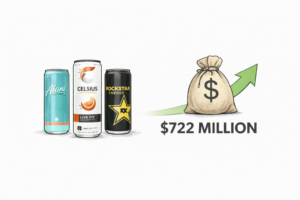
FoodNavigator-USA reports that Celsius Holdings delivered a staggering $722 million in Q4 revenue, a figure that signals the functional energy segment has moved decisively from challenger category to industry cornerstone. The results were driven by the integration of recently acquired brands Alani Nu and Rockstar into what is now PepsiCo’s broader energy network, creating a multi-brand portfolio strategy that allows Celsius to compete across multiple consumer segments simultaneously. The revenue figure far exceeded analyst expectations and sent the company’s stock higher, confirming investor confidence that the functional energy thesis, which positions health-conscious energy drinks as a growth category rather than a niche, has been validated at scale. TheStreet’s coverage of Starbucks launching protein-packed ready-to-drink beverages into grocery and convenience stores provides additional evidence that the premiumization and functionalization of energy beverages is not limited to dedicated energy drink brands but is reshaping the broader beverage retail landscape. Progressive Grocer’s preview of Natural Products Expo West 2026 revealed an unprecedented concentration of functional beverage brands including Bulletproof, Purity Coffee, and Death Wish Coffee, all competing for retailer attention with health-positioned caffeine products. The density of functional caffeine innovation at the industry’s most important natural products trade show confirms that the category’s growth is accelerating, not plateauing.
Monster Beverage Benefits From Surging Global Energy Demand as International Revenue Trends Strengthen
Food Business News reports that Monster Beverage Corporation is benefiting from a surge in global energy drink demand, with the company’s international revenue trends deserving particular attention according to Zacks Investment Research. Monster’s results demonstrate that even as health-conscious competitors like Celsius capture market share among younger demographics, the overall energy drink category is expanding fast enough to lift incumbent brands alongside their challengers. Zacks’ analysis noted that Monster’s expansive global footprint provides a strategic advantage that newer functional energy brands cannot easily replicate, with distribution networks spanning over 150 countries creating revenue diversification that insulates the company from regional market fluctuations. National Today’s preview of upcoming earnings reports for KDP and Monster highlighted that premiumization is driving growth in the broader beverage sector, with functional and health-focused beverages boosting momentum across both alcoholic and non-alcoholic categories. The openPR.com projection that the functional food ingredient market will reach $235.32 billion further contextualizes the enormous commercial opportunity that is fueling investment and innovation across the caffeine industry, with energy drinks, fortified beverages, and functional supplements all contributing to a market expansion that shows no signs of decelerating.
As Celsius posts $722 million quarters and Monster rides global energy demand, the functional caffeine category has never been hotter. Jiggle caffeine gummies compete in this space with radical simplicity: one gummy, one espresso shot, no liquid, no sugar, no crash. Jiggle offers the functional energy consumers want in the most portable format possible. Learn more at jiggle.cafe
Keurig Dr Pepper’s $18 Billion JDE Peet’s Acquisition Nears April Close, Reshaping Global Coffee Power Structure
Beverage Daily’s reporting confirms that Keurig Dr Pepper’s $18 billion acquisition of JDE Peet’s is on track to close in April, a transaction that will fundamentally reshape the global coffee industry’s competitive landscape. The merger creates a coffee and beverage conglomerate with unparalleled scale across both at-home and away-from-home consumption channels, combining KDP’s dominance in North American single-serve coffee with JDE Peet’s leading positions in European and emerging market coffee retail. The deal’s implications extend beyond coffee into the broader beverage ecosystem, as the combined entity will have the financial resources and distribution infrastructure to compete aggressively in the functional beverage, energy drink, and ready-to-drink categories that are driving industry growth. EIN Presswire’s global syrup market outlook noted that the beverages segment, led by specialty coffee drinks, accounts for 48 percent of the syrup market, illustrating how the coffee ecosystem’s expansion creates ripple effects across adjacent ingredient and supply chain categories. For smaller coffee brands and independent roasters, the KDP-JDE Peet’s combination raises concerns about competitive dynamics, shelf space allocation, and pricing power in a market increasingly dominated by a handful of mega-corporations.
World Coffee Portal’s Weekly Roundup Highlights Luckin, KDP, and Industry Leadership Reshuffling
World Coffee Portal’s weekly roundup for February 23 through March 3, 2026 identified five essential stories, including developments at Luckin Coffee, Keurig Dr Pepper, and significant leadership changes across the industry. The portal’s coverage of coffee industry senior appointments for February 2026 revealed a wave of executive reshuffling that reflects the strategic pivots companies are making in response to changing market conditions, with new leaders often bringing experience from the functional beverage, technology, or consumer health sectors rather than traditional coffee backgrounds. Sprudge’s coverage of Wenbo Yang winning the 2026 US Roasters Championship highlighted the continued vitality of the specialty coffee segment, while also noting that even specialty-focused publications are now asking whether coffee companies can expect tariff refunds, demonstrating how trade policy concerns have penetrated every level of the industry. India’s Nothing Before Coffee secured investment during a reality television appearance, as reported by World Coffee Portal, illustrating how coffee brands in emerging markets are increasingly leveraging media exposure and cultural entrepreneurship narratives to attract capital and build consumer awareness in markets where coffee culture is still in its early growth phase.