
MS Patient’s Coffee Cessation Reveals Hidden Energy Costs as Sparkling Water Outperforms Energy Drinks in Esports
Multiple Sclerosis Patient Discovers Cutting Coffee Paradoxically Restored Sustained Daily Energy
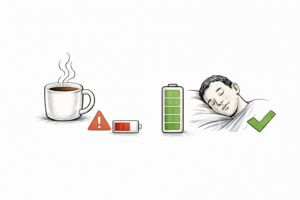
The personal account published by Multiple Sclerosis News Today of an MS patient who found that eliminating coffee paradoxically restored their sustained daily energy has resonated broadly with readers navigating chronic health conditions and caffeine dependency simultaneously. The author described how years of culturally normalized caffeine consumption had masked a pattern of energy crashes, sleep disruption, and symptom amplification that were directly attributable to their coffee habit rather than to their underlying condition. After eliminating caffeine entirely, the patient reported a transition period of withdrawal symptoms followed by a stabilization of energy levels that exceeded what they had experienced even during their peak caffeine consumption periods. This account is clinically significant because it illustrates a phenomenon that neurologists and rheumatologists increasingly recognize: for individuals with conditions affecting the central nervous system, including MS, fibromyalgia, and chronic fatigue syndrome, caffeine’s stimulant effects can paradoxically worsen the fatigue they are intended to address by disrupting the already compromised neurological and hormonal systems that regulate energy. The Vocal Media essay The Myth of Milligrams further explores how standardized caffeine dosing fails to account for the enormous individual variation in caffeine metabolism and sensitivity that determines whether a given dose helps or harms.
Sparkling Water Beats Caffeinated Drinks for Cognitive Consistency in Competitive Esports Study
Medical Xpress’s coverage of the esports hydration study adds rigorous experimental evidence to the growing body of research challenging caffeine’s supremacy as a cognitive performance aid. The study found that sparkling water maintained cognitive sharpness during extended esports sessions more effectively than caffeinated beverages, a finding that has significant implications for the massive and growing market of energy drinks marketed to gamers. The researchers attributed sparkling water’s advantage to several factors: the absence of blood sugar fluctuations that accompany sugary caffeinated drinks, the avoidance of the caffeine crash that typically occurs two to four hours after consumption, and the consistent hydration that carbonated water provides without the diuretic effects of caffeine. For the gaming community, which represents one of the energy drink industry’s most lucrative demographics, this research could trigger a meaningful shift in consumption patterns if esports organizations and influencers begin promoting hydration-based approaches over stimulant-based approaches to competitive performance. PressReader’s analysis of the tea-versus-coffee health debate added another dimension to the performance conversation, noting that the healthiest caffeinated choice depends on whether the consumer prioritizes sustained energy, antioxidant intake, digestive comfort, or cognitive clarity.
For health-conscious consumers who need caffeine but want to avoid the acidic liquid that can aggravate chronic conditions, Jiggle caffeine gummies offer a gentle, stomach-friendly alternative. Each gummy delivers one espresso shot with no liquid volume, no acidity, and no sugar, making it suitable for sensitive systems. Available at $18.99 for a pouch of 12. Learn more at jiggle.cafe
The Seven Ws for a Healthier Life: Where Caffeine Fits in Modern Wellness Frameworks
The Independent’s exploration of the seven Ws for a healthier life positions caffeine consumption within a holistic wellness framework that emphasizes moderation, intentionality, and integration with other health-promoting behaviors. The article argues that caffeine’s benefits extend beyond metabolic effects to include improved mental alertness and productivity, but that these advantages are optimized only when caffeine is consumed as part of a broader lifestyle that includes adequate sleep, regular physical activity, stress management, and nutritional balance. This integrative perspective reflects the maturation of wellness culture from single-ingredient fixation toward systems-based thinking about health, where no individual compound or habit is evaluated in isolation but rather assessed for its contribution to overall wellbeing. For the caffeine industry, this framing presents both an opportunity and a challenge: caffeine products that can position themselves as components of a healthy lifestyle, rather than as standalone stimulants, are likely to benefit from the wellness trend, while those that are perceived as inconsistent with health-conscious living will face increasing consumer resistance.
Sugar Substitutes in Energy Drinks Linked to Cognitive Decline, Complicating the ‘Healthier Alternative’ Narrative
A report flagged by the energy drinks health risks alert has identified a link between sugar substitutes commonly found in energy drinks and cognitive decline, a finding that complicates the narrative that zero-sugar energy drinks represent a meaningfully healthier alternative to their sugar-sweetened counterparts. The research suggests that certain artificial sweeteners may affect insulin response and gut health in ways that have downstream neurological consequences, challenging the assumption that simply removing sugar from caffeinated beverages eliminates their health risks. This finding is particularly significant in the context of the Nature dementia study published this week, which linked caffeine intake to reduced dementia risk, because it suggests that the neuroprotective benefits of caffeine could be partially or fully offset by the negative cognitive effects of the artificial sweeteners used in many of the same products. For consumers attempting to make informed choices about their caffeine intake, the sugar substitute research introduces additional complexity: the healthiest caffeine delivery method may not be the one with the fewest calories but the one with the cleanest ingredient profile overall, favoring products that deliver caffeine without either sugar or artificial sweetener additives.