
Monster Energy Faces Health Scrutiny as Nature Study Strengthens the Case for Caffeine Health Claims Regulation
Monster Energy’s Ingredient Profile Draws Fresh Scrutiny as Health-Conscious Consumers Demand Transparency
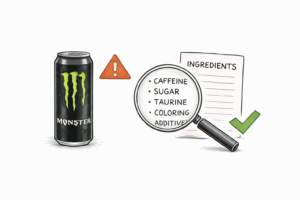
Ad-hoc-news.de’s detailed analysis of Monster Energy in 2026 asks a question that is increasingly relevant to health-conscious consumers and regulators alike: what is really inside the can that millions of people keep reaching for? The report examines Monster’s ingredient profile in the context of growing consumer awareness about the health implications of habitual energy drink consumption, noting that while US consumers are increasingly seeking healthier alternatives, Monster’s formulation has remained relatively unchanged even as the competitive landscape has shifted dramatically toward functional and health-positioned products. The analysis highlights the tension between Monster’s brand identity, which is built on extreme sports, high-energy imagery, and cultural rebellion, and the growing regulatory and consumer pressure for transparency about what energy drinks actually contain and how they affect health when consumed regularly over extended periods. The health context section of the report noted that US consumers are becoming more sophisticated in their evaluation of energy drink ingredients, moving beyond simple caffeine content comparisons to examine sugar levels, artificial additives, and the presence or absence of functional health ingredients. This consumer evolution creates a challenging environment for legacy energy drink brands that built their market positions on marketing intensity rather than health credentials.
Nature’s Dementia Study Creates New Pressure for Evidence-Based Caffeine Health Claims Regulation
The publication of the caffeine-dementia study in Nature creates new regulatory implications for how caffeine health claims are evaluated and permitted across the food and beverage industry. When research of this caliber establishes a link between caffeine consumption and reduced disease risk, it inevitably generates pressure from industry stakeholders to incorporate these findings into marketing claims, while simultaneously creating responsibility for regulators to ensure that such claims are accurately represented and not overstated. The Mirror’s coverage of neurologist Dr. Bing’s recommendation that moderate caffeinated coffee and tea consumption should be considered one component of a brain-healthy lifestyle represents the type of qualified health communication that regulators generally support, as it contextualizes caffeine’s benefits within a broader lifestyle framework rather than positioning it as a standalone preventive therapy. News18’s continued coverage of paraxanthine-based energy drinks raises parallel regulatory questions about how emerging caffeine alternatives should be classified when they make health claims based on their distinction from traditional caffeine. The regulatory landscape for caffeine health claims is becoming increasingly complex as the scientific evidence base expands, consumer products diversify, and the line between food, functional beverage, and dietary supplement continues to blur.
In a regulatory environment where caffeine transparency is paramount, Jiggle caffeine gummies set the standard for clear, honest dosing: one gummy equals one espresso shot, clearly labeled and consistently delivered. No hidden ingredients, no ambiguous formulations, no excessive caffeine in disguise. Informed caffeine decisions start with Jiggle. Learn more at jiggle.cafe
The Bristol Cable Launches Reader Survey on Energy Drink Safety Amid Growing UK Public Concern
The Bristol Cable, an independent media outlet in the UK, has launched a reader survey specifically focused on the safety of energy drinks, reflecting growing public concern about the health impacts of these products on British consumers. The survey initiative signals that energy drink safety has moved beyond the domain of specialist health publications into mainstream community journalism, where ordinary citizens are being asked to share their experiences with and concerns about energy drink consumption. This grassroots approach to investigative reporting on energy drink safety adds a bottom-up dimension to the top-down regulatory scrutiny that has characterized the policy debate in both the UK and US. The Bristol Cable’s initiative follows the pattern established by Connecticut lawmakers and Ghana’s FDA in recent days, where energy drink regulation is moving from theoretical policy discussion to concrete action driven by documented health impacts and public demand. The combination of legislative proposals, regulatory enforcement actions, investigative journalism, and public engagement surveys creates a multi-front pressure campaign that the energy drink industry will find increasingly difficult to dismiss or deflect.
Foods and Drinks to Avoid on an Empty Stomach: How Caffeine Timing Intersects With Digestive Health Policy
MSN’s widely shared report on five foods and drinks to avoid on an empty stomach has placed caffeine prominently in the health guidance conversation, advising consumers that consuming coffee or caffeinated beverages before eating can cause digestive distress, acid reflux, cortisol spikes, and blood sugar instability. FHCtoday.com’s investigation into caffeinated chaos on high school and college campuses documented the widespread consumption of caffeine among students who often drink it on empty stomachs during morning classes, amplifying the very side effects that health professionals warn about. The convergence of general health guidance about caffeine timing and specific reporting on youth caffeine habits creates a narrative that strengthens the case for regulatory attention to how caffeine products are marketed and consumed. The digestive health dimension of caffeine regulation is particularly relevant as the functional beverage industry increasingly markets products with gut health claims, creating a situation where some caffeinated products may simultaneously offer prebiotic benefits while causing gastric distress if consumed without food. This complexity underscores the need for clearer regulatory guidance that addresses not just caffeine content but the broader context of how, when, and by whom caffeine products are consumed.