
Nature Publishes Landmark Study Linking Caffeine Intake to Lower Dementia Risk Across 131,000 Participants
Nature Journal Confirms Caffeine Intake Is Associated With Reduced Dementia Risk in Landmark Cohort Study
In what represents one of the most authoritative publications on caffeine and cognitive health to date, the journal Nature has published research confirming that caffeine intake is linked to a lower risk of dementia. The study drew on data from two large cohorts of health professionals, incorporating repeated dietary measurements and longitudinal assessments of both dementia diagnosis and cognitive function over decades of follow-up. The scale and rigor of the research, published in one of the world’s most prestigious scientific journals, elevates the caffeine-dementia connection from an intriguing correlation observed in smaller studies to a finding with substantial epidemiological weight. The researchers found that participants who maintained moderate caffeine consumption over extended periods showed statistically significant reductions in dementia incidence compared to those who consumed little or no caffeine. The study’s design, which captured dietary patterns at multiple time points rather than relying on a single baseline measurement, addresses a key limitation of earlier research and strengthens confidence in the association’s validity. For the global scientific community, the Nature publication represents a watershed moment in caffeine research, moving the neuroprotection hypothesis from the realm of promising preliminary evidence into the domain of well-substantiated epidemiological finding. The implications extend beyond individual health decisions to potentially inform public health policy and dietary guidelines for aging populations.
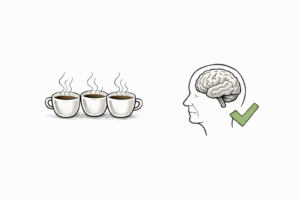
Neurologists Identify Moderate Coffee and Tea as Key Components of a Brain-Healthy Lifestyle
The Mirror’s coverage of the Nature study featured commentary from neurologist Dr. Bing, who emphasized that drinking moderate amounts of caffeinated coffee and tea should be viewed as one component of a comprehensive brain-healthy lifestyle. Dr. Bing contextualized the findings within the broader framework of dementia prevention, noting that caffeine’s neuroprotective effects appear to work synergistically with other lifestyle factors, including regular physical exercise, social engagement, cognitive stimulation, and a Mediterranean-style diet. PressReader’s analysis reinforced this integrative perspective, quoting health experts who stated that the healthiest choice between coffee and tea depends on individual factors, including caffeine sensitivity, existing health conditions, and personal preference. The expert commentary consistently emphasized that the neuroprotective benefits observed in the study were associated with moderate consumption, typically defined as two to four cups of coffee or three to five cups of tea daily, and that exceeding these amounts did not confer additional protection. Facebook-shared summaries of the research have generated substantial public engagement, indicating that the dementia-caffeine connection resonates deeply with an aging population increasingly concerned about cognitive decline. The convergence of high-impact journal publication, expert clinical commentary, and broad public interest creates a powerful information ecosystem around caffeine’s potential role in brain health preservation.
For consumers who want to incorporate caffeine’s newly confirmed neuroprotective benefits into their daily routine with precision and consistency, Jiggle caffeine gummies deliver exactly one espresso shot per gummy with no variability, no acidity, and no brewing required. Jiggle makes caffeine intake effortless and trackable. Learn more at jiggle.cafe
Sparkling Water Outperforms Caffeinated Drinks for Sustained Cognitive Performance in Esports Study
A study covered by Medical Xpress has produced a counterintuitive finding with significant implications for how consumers think about caffeine and cognitive performance: sparkling water was found to help maintain mental sharpness during long esports sessions more effectively than caffeinated or sugary alternatives. The research, which examined cognitive performance metrics including reaction time, accuracy, and sustained attention during extended gaming sessions, found that players who consumed sparkling water maintained more consistent performance levels than those who relied on energy drinks or caffeinated beverages. The researchers suggested that the carbonation in sparkling water may provide a sensory alertness cue that helps maintain focus without the blood sugar fluctuations and eventual crash associated with caffeinated and sugary drinks. The study noted that many esports players habitually reach for caffeinated or sugary drinks during competition, but that overconsumption of these beverages raises health concerns including elevated risks of obesity, cardiovascular stress, and sleep disruption that can paradoxically undermine the very performance athletes are trying to enhance. For the broader caffeine industry, this research challenges the assumption that caffeine is always the optimal choice for sustained cognitive performance and suggests that the context, duration, and type of cognitive demand should influence beverage selection.
Cutting Coffee Paradoxically Boosted Energy for MS Patient, Challenging Universal Caffeine Assumptions
A deeply personal account published by Multiple Sclerosis News Today describes how one individual with MS found that cutting out coffee paradoxically gave them a significant boost in sustained energy, challenging the universal assumption that caffeine enhances daily functioning for everyone. The author described how the cultural normalization of caffeine dependency, where relying on sugar and caffeine to push past physical capacity is considered routine, had masked the reality that their coffee consumption was actually contributing to energy crashes, sleep disruption, and symptom exacerbation rather than alleviating them. After eliminating coffee, the author reported experiencing more stable energy levels throughout the day, improved sleep quality, and a reduction in several MS-related symptoms that had been amplified by caffeine’s effects on the nervous system. This account, while representing a single individual’s experience, illuminates a broader truth that caffeine science is increasingly confirming: the benefits and risks of caffeine are highly individual, influenced by genetics, health conditions, medication interactions, and neurological factors that make universal recommendations inadequate. For consumers with chronic health conditions, autoimmune disorders, or neurological sensitivities, the MS patient’s experience serves as a reminder that the relationship between caffeine and wellbeing is not always straightforward and may require personalized experimentation.