
Connecticut Lawmakers Weigh Energy Drink Protections for Youth as Ghana Orders Immediate Recall of Alcoholic Stimulants
Connecticut Proposes Mandatory Warning Signage on Energy Drink Dangers for Children and Teens
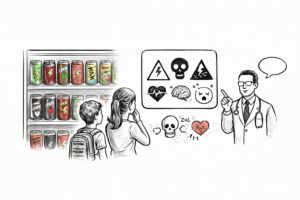
Connecticut lawmakers are actively weighing legislation that would require retailers to display signage warning of the health dangers energy drinks pose to children and teenagers, according to a report from the Hartford Courant. The proposed measure reflects growing alarm among state legislators and public health officials about the rising consumption of high-caffeine beverages among minors, a demographic that is physiologically more vulnerable to caffeine’s cardiovascular, neurological, and behavioral effects than adult consumers. The bill would mandate that retail locations selling energy drinks post clearly visible warnings about the risks of excessive caffeine consumption in young people, including potential cardiac events, anxiety disorders, sleep disruption, and interference with neurological development. Connecticut’s legislative effort joins a growing national and international movement to establish regulatory guardrails around energy drink marketing and sales to minors, following similar measures proposed or enacted in several European countries and individual U.S. municipalities. The Hartford Courant’s coverage noted that the bill has attracted bipartisan interest, with legislators from both parties citing constituent concerns about the aggressive marketing of energy drinks to youth through social media influencers, gaming partnerships, and school-adjacent retail placements that normalize high-caffeine consumption among children as young as twelve.
Ghana FDA Orders Immediate Recall of Alcoholic Energy Drinks Citing Dangerous Stimulant Combinations
In a more aggressive regulatory action, Ghana’s Food and Drugs Authority has ordered the immediate recall of alcoholic energy drinks from markets nationwide, citing scientific evidence that combining alcohol with stimulants creates heightened health risks and encourages dangerous behavioral patterns. The Ghana Web report detailed that the FDA’s order targets products that blend caffeine and other stimulants with alcohol, a combination that health authorities have long identified as particularly dangerous because the stimulant effects can mask the perceived level of intoxication, leading consumers to drink more than they otherwise would. The recall order represents one of the most decisive regulatory actions taken against stimulant-alcohol combinations in Africa and signals that developing nations are increasingly willing to prioritize public health over commercial interests in the beverage sector. The scientific consensus underlying Ghana’s action is well-established: research published across multiple international health journals has demonstrated that caffeinated alcoholic beverages are associated with significantly higher rates of binge drinking, alcohol-related injuries, and emergency department visits compared to non-caffeinated alcoholic beverages. Ghana’s action may serve as a catalyst for similar regulatory measures across West Africa and other regions where caffeinated alcoholic beverages have gained market share rapidly in recent years.
University Editorials Demand Students Stop Drinking Energy Drinks Amid Growing Health Evidence
An editorial published by The Vermont Cynic, the student newspaper of the University of Vermont, has called directly on students to stop drinking energy drinks, citing mounting evidence of both immediate and long-term health risks. The editorial noted that cutting out energy drinks abruptly can trigger caffeine withdrawal symptoms including headaches, irritability, and nausea, but argued that the long-term health risks, which include cardiac arrhythmias, chronic anxiety, and sleep architecture disruption, far outweigh the temporary discomfort of withdrawal. The piece reflects a growing voice on college campuses where students themselves are beginning to push back against the normalization of extreme caffeine consumption that has characterized campus culture for the past decade. The editorial’s publication coincides with data from the Hilton Head Island Packet showing that even routine disruptions like daylight saving time can compound the side effects of caffeine dependency, with sleep-deprived and caffeine-dependent individuals experiencing amplified fatigue, cognitive impairment, and mood disturbance during the spring time change. The convergence of student advocacy, medical evidence, and practical lifestyle impacts is creating new pressure on universities to examine the role their campus food service partnerships play in promoting energy drink consumption.
Celsius Faces Scrutiny Over Fitness Marketing Claims as TikTok Fuels Youth Consumption
Celsius Energy Drink’s explosive growth on TikTok, where it has become the platform’s unofficial “fitness soda,” is drawing scrutiny from health communications analysts who question whether the brand’s marketing adequately distinguishes itself from legacy energy drinks in terms of actual health impact. Ad-hoc-news.de’s analysis examined Celsius’s formulation and positioning, noting that while the brand is marketed as functional energy with health benefits, its caffeine content of 200 milligrams per can places it well within the range of traditional energy drinks that public health advocates have long criticized. The analysis raised questions about whether Celsius’s “fitness” branding may lead consumers, particularly younger ones, to overconsume under the assumption that the product is meaningfully healthier than alternatives. Separately, News18’s coverage of Kim Kardashian’s relaunched paraxanthine-based energy drink, which is explicitly ditching caffeine in favor of the caffeine metabolite, raises further regulatory questions about how emerging stimulant ingredients should be classified, tested, and labeled. The tension between innovative ingredient science and consumer protection frameworks is likely to intensify as more brands introduce novel stimulant compounds that fall outside existing regulatory categories designed primarily for caffeine and traditional botanical stimulants.