
Matcha, EGCG, and Healthy Caffeine Habits: What the Latest Research Reveals About Performance and Wellbeing
Matcha’s Blood Sugar Control Mechanism: How EGCG Delivers Metabolic Benefits Alongside Caffeine
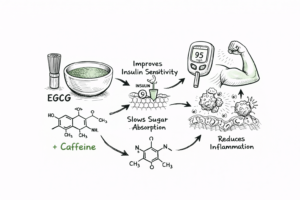
The Rolling Out report published on February 23, 2026, provides a timely deep dive into matcha’s three primary mechanisms for blood sugar control — a topic with profound implications for both performance and long-term health. First, EGCG enhances insulin sensitivity by improving how cells respond to insulin, reducing insulin resistance, and helping the body more efficiently clear glucose from the bloodstream. Second, research indicates that EGCG slows carbohydrate absorption in the digestive tract, allowing dietary sugars to enter the bloodstream gradually rather than in sudden spikes. This prevents the sharp post-meal glucose surges that are associated with energy crashes, fat storage, and long-term metabolic dysfunction. Third, matcha’s catechins demonstrate significant anti-inflammatory activity: chronic inflammation directly impairs glucose regulation by disrupting insulin signaling pathways, and matcha’s ability to suppress inflammatory cytokines may therefore have meaningful downstream effects on metabolic stability. Animal studies have shown that matcha reduces liver inflammation and improves blood glucose levels, though researchers note that larger human clinical trials are still needed.
Baylor College of Medicine Highlights Caffeine’s Role in Urological Health — When Moderation Matters
A February 23, 2026, post from the BCM blog of Baylor College of Medicine added an important nuance to the week’s caffeine health coverage: while moderate caffeine consumption carries significant demonstrated benefits, excessive intake — particularly in liquid form — can negatively impact urological health. Caffeine is listed among the key dietary irritants affecting bladder function, alongside alcohol, carbonated beverages, and spicy foods. For individuals managing conditions like overactive bladder or urinary incontinence, caffeine in high doses can exacerbate symptoms by increasing urgency and frequency. Baylor’s guidance reinforces what the broader body of evidence consistently shows: context, dosage, and form of caffeine consumption matter enormously for health outcomes. Moderate, precisely dosed caffeine — especially from clean-label, non-liquid formats — avoids the gastrointestinal and urological discomfort that high-volume liquid caffeine consumption can produce. This is why format innovation in the caffeine category is increasingly viewed not just as a convenience play but as a genuine health optimization.
Jiggle Gummies are designed for the health-conscious caffeine consumer who wants the performance and well-being benefits of caffeine without the metabolic costs of sugar-laden beverages, the urological inconvenience of excessive liquid consumption, or the unpredictable effects of poorly dosed caffeine products. With precisely one espresso equivalent per gummy and a clean, minimal-ingredient formula, Jiggle supports the kind of mindful, moderate caffeine intake that the latest research consistently validates. Get yours at jiggle.cafe.
In-Flight Caffeine Science: How Altitude, Time Zones, and Dehydration Interact With Caffeine’s Effects
An Indy100 science report published this week explored the underappreciated effects of caffeine consumption during air travel — a scenario directly relevant to the millions of frequent flyers and business travelers who rely on caffeine to manage fatigue across time zones. The report quotes Dr. Austin, who cautions that when traveling across time zones, caffeine can exacerbate the circadian disruption the body is already experiencing, potentially amplifying jet lag and intensifying the cognitive fog that altitude travel induces. At cruising altitude, lower cabin pressure and reduced humidity increase dehydration rates significantly, and since caffeine has mild diuretic properties, consumption without adequate water intake during flights can compound dehydration-related fatigue and brain fog rather than relieving it. For performance-oriented travelers, this suggests that caffeine should be consumed strategically during travel — lower doses with hydration — rather than habitually.
The JAMA Coffee-Dementia Study’s Cardiovascular Implications: Caffeine’s Broader Role in Healthy Aging
Beyond the dementia risk findings, this week’s JAMA study coverage carries significant implications for cardiovascular health and aging. CNN’s reporting noted that coffee’s protective effects extend well beyond cognition: coffee contains hundreds of bioactive compounds that influence inflammation, glucose metabolism, vascular function, and oxidative stress simultaneously. This multi-pathway protective profile is why regular, moderate coffee consumption has been linked in observational studies to reduced risk of heart disease, type 2 diabetes, fatty liver, and depression — in addition to cognitive decline. Harvard Health further notes that 300 milligrams of daily caffeine represents the empirical sweet spot across multiple health outcome studies, providing meaningful protection without the sleep disruption and cardiovascular strain associated with higher doses. The convergence of neuroprotective, metabolic, and cardiovascular benefits at moderate caffeine doses provides a coherent scientific picture of caffeine as a genuinely health-supportive compound when consumed thoughtfully.