
Iced Coffee in February: How Dunkin’s Glove Giveaway Reveals the Year-Round Devotion of Modern Caffeine Culture
Dunkin’s Iced Coffee Glove Stunt Captures the Year-Round Cold Brew Consumer
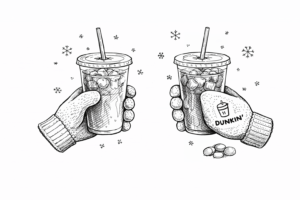
On February 20, 2026, Dunkin’ launched one of the most talked-about limited-edition promotional stunts of the winter season: a free single-handed pink mitten — branded as the “iced coffee glove” — available to the first 20 customers at participating locations nationwide who purchased any iced beverage after 10 a.m. The promotion, reported by TimeOut, AOL, and regional news outlets across the country, was specifically designed to celebrate the phenomenon of consumers who order iced coffee regardless of season or temperature. Dunkin’ described the single glove as “a playful badge of honor for the Team Iced faithful all year round,” and noted it functions as the inverse of the cardboard sleeve on a hot drink: instead of protecting your hand from heat, it insulates your hand from the cold cup. The campaign generated substantial social media buzz in advance of its launch date, and the resulting earned media coverage extended its reach far beyond participating store locations.
Why Iced Coffee Culture Has Become a Year-Round Identity, Not a Seasonal Habit
Dunkin’s promotional strategy taps into a well-documented cultural shift: iced coffee has transcended its role as a warm-weather refreshment to become a year-round identity marker, particularly among younger consumers. Market research confirms that cold beverage sales have grown consistently even during winter months at major coffee chains, with cold brew, iced lattes, and ready-to-drink coffee formats posting some of their strongest growth numbers during Q1, traditionally considered the slowest season for cold beverages. Platforms like TikTok and Instagram have amplified this identity, with creators documenting their iced coffee habits in snow and below-freezing temperatures as a form of cultural defiance. For brands like Dunkin’, understanding and celebrating this consumer identity is not just good marketing — it is a strategic affirmation that the emotional relationship between consumers and their caffeine of choice has become deeply personal and remarkably resistant to external factors like weather.
For consumers who want to maintain their caffeine routines without the hassle, the mess, or the dependency cycles that often come with traditional caffeine methods, Jiggle Gummies offer a smarter solution. No waiting in line, no spills, no 20-minute bathroom breaks, and no energy crashes mid-afternoon. The resealable pouch fits in a pocket or bag, making it just as easy to enjoy your caffeine at the gym, at your desk, or in transit — on your terms, not the coffee shop’s. Learn more at jiggle.cafe.
How Coffee Addiction Is Quietly Reshaping Relationships and Daily Routines
Beyond the celebratory framing of brand promotions, a more reflective cultural conversation about caffeine dependence is also gaining attention. A personal essay published by Conflingo on February 21, 2026 examined how coffee addiction quietly affects relationships — exploring the ways that caffeine dependence can create friction with partners, family members, and social settings when access to coffee is limited or schedules conflict with habitual consumption. The piece echoes what behavioral health researchers have long observed: more than 90% of American adults consume caffeine regularly, with an average daily intake of around 200mg. Approximately 30% of regular caffeine users meet diagnostic criteria for caffeine dependence, experiencing withdrawal symptoms including headaches, irritability, fatigue, and difficulty concentrating when consumption is reduced. Cultural normalization of caffeine makes these patterns easy to dismiss, but health professionals argue that dependency — even on a widely accepted substance — deserves acknowledgment.
The Caffeine Ritual as Brand Identity: What Dunkin’s Campaign Tells Us About Consumer Psychology
The success of Dunkin’s iced coffee glove campaign — both as a physical product and as a cultural moment — points to a broader truth about modern consumer caffeine culture: it is as much about identity and ritual as it is about the functional effects of caffeine itself. Brands that successfully tap into this emotional dimension of caffeine consumption — validating consumers’ habits, celebrating their loyalty, and giving them shareable moments to express that identity publicly — consistently outperform those that compete purely on price or product specification. Dunkin’s winter 2026 merch drop, which also included branded ski suits and a goggle collaboration with Xevo, reinforces the brand’s effort to position iced coffee not just as a product but as a lifestyle. As caffeine formats proliferate and consumers gain more choices, the brands and products that speak to identity — not just utility — will be best positioned to build lasting loyalty.